what is storjby Fedha Intern
What is Storj? Understanding Decentralized Cloud Storage
9 min read17 May 202636 reads
Last updated: March 2026
Storj Kya Hai? Decentralized Cloud Storage Ko Samjho Yaar!
So, Storj (sounds just like "storage," easy peasy!) is basically this super cool, open-source, decentralized cloud storage network. Think of it like this: you want to store your data, but you don't want to trust one big company with everything. Storj lets you do exactly that, keeping your stuff secure and private. It runs on a peer-to-peer network – this means regular folks like you and me, who have some extra hard drive space lying around, can rent it out to others. Together, we form this massive, global, distributed storage solution. The heart of this network is the STORJ token. This is the native crypto, used for all payments inside the ecosystem. So, if you're providing storage space (we call them Storage Node Operators), you get paid in STORJ. And if you're storing your data, you pay in STORJ. It's a clever system, using blockchain tech to seriously level up security, privacy, and efficiency compared to those old-school cloud storage services.
Storj Kya Hai?
Yaar, imagine this: your precious family photos, those super important work documents, or all your business files – what if they weren't sitting in some giant data center controlled by one company like Google Drive or Amazon S3? Instead, picture them broken into tiny, encrypted bits, then scattered across thousands of computers all over the world, owned by regular people, just like us. That's the core idea behind Storj, simple as that!
Basically, Storj is a decentralized cloud storage platform. Traditional cloud services, they dump all your data in a few massive, potentially vulnerable data centers. Storj? Nah. It spreads your data across a huge network of independent storage nodes. This distributed setup gives us some serious advantages:
- Top-Notch Security: Here's the thing: your data gets encrypted before it even leaves your laptop. Then, it's chopped into multiple pieces (they call them shards), and each shard goes to a different, totally unrelated storage node. This means no single node ever has a complete, unencrypted file. Good luck to any hacker trying to piece that together!
- Real Privacy: With end-to-end encryption, and no central boss holding your keys, only YOU can access your data. Storj itself can't peek, touch, or censor your files. It's your data, truly.
- Super Durable & Always Available: What if one storage node goes offline? No worries, yaar! Your data is still there because other nodes hold redundant pieces of your file. This makes Storj incredibly tough against outages and losing your precious data.
- Paisa Vasool (Cost-Effective): By tapping into a global network of individuals with spare storage, Storj often offers much better pricing than those big traditional cloud providers. Why? Because they don't have to build and maintain massive, expensive data centers. Smart, right?
- Censorship Resistance: Since there's no single point of control, no one entity can suddenly block your access or remove your data from the network. Freedom, bhai!
The Storj network is a shining example of a DePIN (Decentralized Physical Infrastructure Network) project. DePINs, they use blockchain incentives to build and run real-world infrastructure. In Storj's case, it's a global network of storage nodes. This model, I tell you, it democratizes access to resources and opens up new earning opportunities for everyone involved. For my friends just starting out and wanting to get a grip on these kinds of networks, checking out Understanding Blockchain Fundamentals: A Beginner's Guide is a solid first step.
And the STORJ token? It's the lifeblood, the engine of this whole ecosystem. Storage Node Operators get paid in STORJ for sharing their space and bandwidth, and users pay in STORJ to keep their data safe. This creates a self-sustaining economy that keeps the network growing and humming along.
Storj Aajkal Trend Mein Kyun Hai?
Yaar, Storj ne pichhle kuch time se kaafi attention grab kiya hai, aur sach kahun toh, iske piche kuch solid reasons hain, especially for us Indian crypto enthusiasts:
- Decentralized Solutions Ki Demand Badh Rahi Hai: Dekho na, aajkal data breaches itne ho rahe hain, privacy ki tension alag, aur hum sab bade-bade tech giants pe depend karte hain. Log ab samjh rahe hain ki apne saare digital ande ek hi basket mein rakhna kitna risky hai. Toh, decentralized alternatives ki demand skyrocket kar rahi hai. Storj is problem ka ek zabardast solution offer karta hai, aur privacy-conscious logon ko yeh baat bohot pasand aa rahi hai.
- DePIN Narrative Ka Boom: Jaise maine pehle bataya, Storj ek top DePIN project hai. Aur DePIN sector toh abhi crypto mein sabse hot narratives mein se ek hai! Investors ab realize kar rahe hain ki blockchain mein real-world infrastructure ko revolutionise karne ki kitni potential hai. Jo projects tangible utility dete hain aur digital assets ko physical services se connect karte hain, unmein bohot interest aa raha hai. Storj ka network toh already established hai aur technology bhi proven hai, toh yeh is trend mein sabse aage khada hai. What is Grass Crypto? DePIN, AI, and Solana Explained jaise projects bhi is excitement ko badha rahe hain.
- Data-Heavy World Mein Cost-Efficiency: Hum sab, aur businesses bhi, har din kitna data generate kar rahe hain! Is data ko securely store karne ka kharcha ek huge factor ban gaya hai. Storj ka model, traditional providers ke मुकाबले, potentially kaafi sasta storage deta hai. Toh, jo log apne kharche optimize karna chahte hain, unke liye yeh ek bohot attractive option hai. India mein toh yeh baat aur bhi zyaada matter karti hai, right?
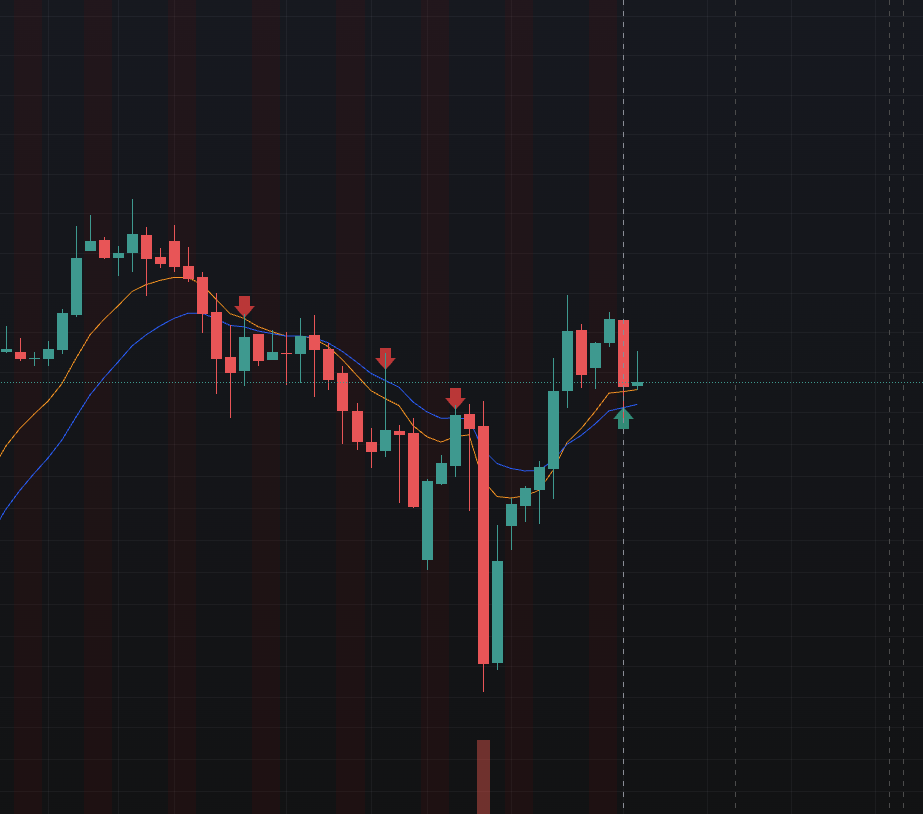
- Recent Market Activity: Arre haan, CoinGecko pe Storj trending hai, despite a recent 7.6% dip in 24 hours. Aisi market movement aksar logon mein curiosity jagati hai. Thoda sa pullback, especially after a good run, kai traders ke liye ek potential buying opportunity lagta hai. But bhai, hamesha yaad rakhna: past performance doesn't guarantee future results. Aur Cryptocurrency Market Volatility: Harnessing Price Fluctuations for Trading Opportunities toh crypto market ka ek constant factor hai. Hamesha apni research karna!
- Web3 Infrastructure Pe Focus: Storj, Web3 ke bade vision ka ek foundational piece hai – ek aisi internet jahan user ka control zyaada ho. Jaise-jaise zyaada applications aur services Web3 ki taraf move karenge, Storj jaise robust, decentralized storage solutions ki zaroorat badhti jayegi. Developers aur enterprises ab traditional cloud infrastructure ke alternatives explore kar rahe hain, aur Storj ek ready-to-use, blockchain-powered option provide karta hai.
Toh, yeh saare factors milkar – strong fundamentals, ek trending sector, aur market mein recent buzz – Storj ko ek aisa project banate hain jiske baare mein aajkal bohot log discuss kar rahe hain aur research kar rahe hain.
Storj Kaise Kaam Karta Hai?
Dekho, Storj kaise function karta hai, yeh sunne mein thoda complex lag sakta hai, but trust me, it's pretty clever once you break it down. Poora process is tarah se design kiya gaya hai ki yeh super secure, private, aur efficient ho, all thanks to its distributed network.
Storj network mein teen main players hote hain:
- Clients (Yaani Aap): Hum jaise users jo apna data store karna chahte hain.
- Storage Node Operators: Yeh woh log ya entities hain jo apni unused hard drive space aur internet bandwidth rent par dete hain.
- Satellites: Yeh thodi centralized services hain jo Storj Labs chalata hai (future mein shayad aur log bhi chalayenge). Inka kaam hai metadata, billing, aur clients aur storage nodes ke beech coordination manage karna. Important baat: yeh aapka actual data store nahi karte, bas network operations ko facilitate karte hain.
Chalo, step-by-step dekhte hain ki data storage aur retrieval Storj pe kaise hota hai:
1. Data Encryption Aur Sharding
Jab aap Storj pe koi file upload karne ka sochte ho:
- Client-Side Encryption: Sabse pehle, aur yeh privacy ke liye bahut zaroori hai, aapka data aapki local device pe hi encrypt ho jaata hai, using strong, industry-standard protocols (jaise AES-256-GCM). Matlab, aapka data aapke computer se nikalne se pehle hi encrypted hai, toh Storj Labs ya storage nodes bhi uske contents nahi dekh sakte. Encryption keys sirf aapke paas hote hain.
- Sharding: Encryption ke baad, aapki file ko chote-chote, redundant pieces mein toda jaata hai, jinhe "shards" kehte hain. Socho, ek document ko bahut saare chhote tukdon mein kaat diya, aur har tukde ki multiple copies bana di.
- Erasure Coding: Storj ek technique use karta hai jise erasure coding kehte hain. Yeh redundancy add karta hai. Iska matlab hai ki agar kuch shards kho bhi jaayen ya unavailable ho jaayen, tab bhi aapki original file baaki bache hue pieces se reconstruct ho sakti hai. Yeh durability ko kaafi badha deta hai, yaar.
2. Data Distribution
- Satellite Coordination: Aapka client software Storj Satellite se communicate karta hai. Satellite ka role data store karna nahi hai, balki metadata (jaise aapke shards kahan store hain, kiska data hai, billing details, etc.) manage karna aur storage process ko coordinate karna hai.
- Shard Distribution: Satellite in encrypted shards ko duniya bhar mein alag-alag, independent Storage Node Operators ke beech distribute karne mein help karta hai. Yeh smartly nodes select karta hai based on unki reputation, availability, aur geographic distribution, taaki best performance aur security mile. Koi bhi single Storage Node Operator kabhi bhi aapki file ke saare shards nahi receive karta, aur na hi unhe encryption key milti hai. Most beginners miss this detail!
3. Data Storage On Storage Nodes
- Node Operation: Storage Node Operators simply apni unused hard drive space aur internet bandwidth provide karte hain. Woh encrypted shards download karte hain aur apni drives pe store karte hain. Unhe nahi pata hota ki yeh data kya hai, kiska hai, ya is file ke doosre shards mein kya hai.
- Proof of Retrievability (PoR): Ab, yeh ensure kaise ho ki Storage Node Operators data ko reliably store kar rahe hain aur delete nahi kar diya? Yahan aata hai Proof of Retrievability. Satellites regularly "audits" karte hain. Ismein nodes ko challenge kiya jaata hai ki woh prove karein ki data abhi bhi unke paas hai. Ismein unhe cryptographic challenge ka sahi jawab dena hota hai using a piece of the stored data. Agar koi node baar-baar audits fail karta hai, toh uski reputation gir jaati hai aur usse naya data ya payments milna band ho sakta hai.
- Payments: Data ko successfully store karne aur uski availability prove karne ke liye,