Ethereumby Adarsh Pal
What Is Basis Point (BPS) in the U.S. Market?
4 min read13 January 202639 reads
Written by

1 follower
What Is Basis Point (BPS) in the U.S. Market?
In financial markets, small changes in percentages can move billions of dollars. Interest rates, bond yields, mortgage costs, stock valuations, and even cryptocurrency prices react sharply to tiny numerical changes. To communicate these movements accurately, professionals use a standardized unit called the basis point (BPS).
Understanding basis points helps investors correctly interpret Federal Reserve announcements, bond market movements, loan pricing, and market volatility.
What Is a Basis Point?
A basis point equals one hundredth of one percent.
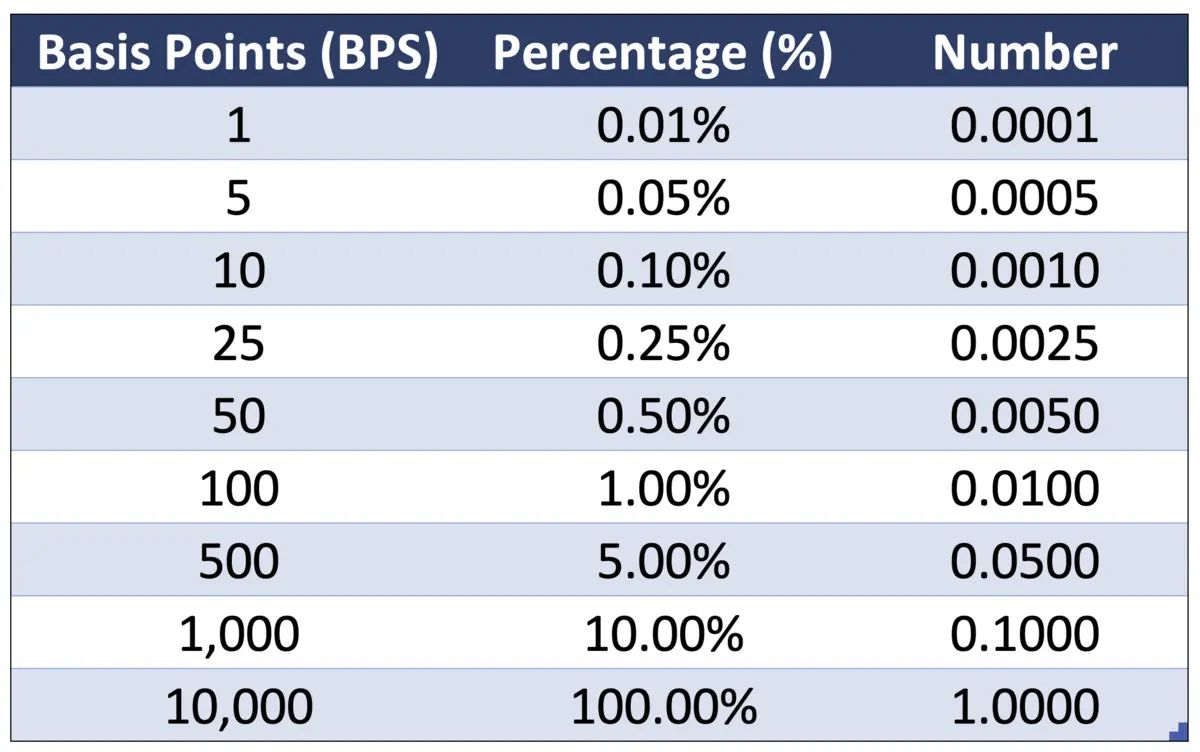
1 BPS = 0.01% = 0.0001
Instead of saying “0.25%,” professionals say “25 basis points.” This eliminates confusion and improves precision when discussing financial changes.
Why Markets Use Basis Points Instead of Percentages
Percentages can be ambiguous when describing changes. For example:
If interest rates rise from 2% to 3%, someone may say “rates increased by 1%.”
This could mean:
A direct increase of 1 percentage point, or
A relative increase of 50% compared to the original rate
Basis points remove ambiguity. Saying “rates increased by 100 BPS” clearly means a 1.00% increase.
Common Basis Point Conversions
1 BPS = 0.01%
10 BPS = 0.10%
25 BPS = 0.25%
50 BPS = 0.50%
100 BPS = 1.00%
Real-World Examples of Basis Points
Federal Reserve Interest Rate Decisions
When the U.S. Federal Reserve raises or cuts interest rates, it always communicates in basis points.
Example:
If the Fed raises rates by 25 BPS, the policy rate increases from 5.00% to 5.25%.
A 50 BPS hike would move rates from 5.00% to 5.50%.
These changes directly impact borrowing costs, credit availability, and investment behavior globally.
Mortgage and Loan Pricing
Banks price loans using basis point adjustments.
Example:
If a home loan rate is 7.00% and increases by 40 BPS, the new rate becomes 7.40%.
On a $300,000 mortgage, even a 40 BPS increase significantly raises monthly payments and total interest over time.
Bond Market Movements
Bond yields move daily in basis points.
Example:
If a 10-year Treasury yield rises from 4.10% to 4.30%, that is a 20 BPS increase.
Bond investors track BPS movements to assess inflation expectations and interest rate risk.
Investment Fund Fees
Mutual funds and ETFs express fees in basis points.
Example:
A fund charging 50 BPS has a management fee of 0.50% annually.
Lower basis point fees improve long-term investor returns significantly.
Stock Market Impact
Interest rate changes measured in BPS influence corporate borrowing costs and stock valuations.
Higher rates reduce profit margins and future growth expectations, often pressuring equity markets.
Crypto Market Influence
Crypto markets react strongly to interest rate changes measured in basis points.
Example:
If the Fed hikes rates by 75 BPS, liquidity tightens and risk appetite decreases, often leading to crypto sell-offs.
If the Fed cuts rates by 50 BPS, liquidity improves, supporting risk assets such as Bitcoin and altcoins.
How Cheaper Loans Push Money into Stocks and Crypto
Basis point movements directly influence how easily people and businesses can borrow money. When interest rates decrease by even a small number of basis points, loans become cheaper and more accessible. Lower borrowing costs encourage consumers to take home loans, business loans, and personal credit more easily.
As borrowing increases, more cash enters the financial system. This additional liquidity does not remain only in savings accounts — it flows into investments such as stocks, cryptocurrencies, startups, and real estate as investors seek higher returns.
For example, if the Federal Reserve cuts rates by 50 BPS, banks reduce lending rates, making credit cheaper. Businesses expand operations, consumers increase spending, and investors allocate excess cash into higher-risk assets like equities and crypto markets. This often supports bullish price momentum.
Conversely, when rates increase by basis points, borrowing becomes expensive. Loan demand slows, liquidity tightens, and capital shifts away from risky assets into safer instruments. This typically pressures stock and crypto markets.
This transmission mechanism explains why even small basis point changes can significantly influence asset prices and market sentiment.
Conclusion
Basis points provide a precise language for measuring financial changes. Whether analyzing central bank policy, mortgage rates, bond yields, or crypto market volatility, understanding BPS allows investors to make better-informed decisions in fast-moving markets.
In next article you will understand "What Is DXY and Why Crypto Traders Watch It".
Stay tuned !!
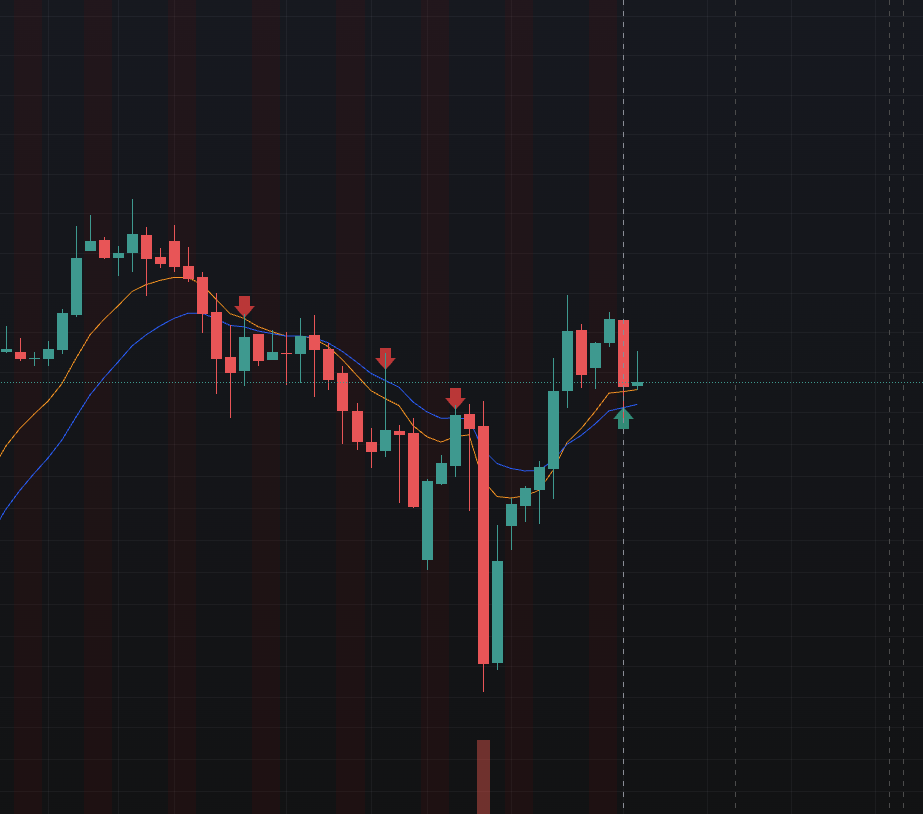
"Monitor Live Example today and Observe Market Charts Special "SPX500"and "BTC""
🚨🇺🇸 US CPI releases today at 7:00 PM IST
Prev: 2.7%
Est: 2.7%
📉 If CPI comes in below expectations
Markets may start pricing in faster rate cuts. Risk assets usually react positively, supportive for equities and crypto.
📈 If CPI comes in above expectations
Bond yields tend to rise, the dollar strengthens, and risk assets come under pressure. This typically weighs on Bitcoin and altcoins in the short term.
⚠️ One of the most important macro releases of the month. Expect volatility.