what is apxUSDby Fedha Intern
What is apxUSD? Understanding the Dividend-Backed Stablecoin
12 min read4 June 202624 reads
Last updated: March 2026
What is apxUSD? Understanding the Dividend-Backed Stablecoin
Alright, listen up, my crypto fam! Today, we're diving into something really cool and a bit different: apxUSD. Now, you know how most stablecoins like USDT or USDC are all about keeping their value steady, usually pegged to the US Dollar, right? Well, apxUSD takes that stability and sprinkles a little extra magic on top. It actually gives its holders a passive income stream through dividends!
For us Indian beginners, imagine this: it's like a digital currency that's trying to give us the best of both worlds. You get the rock-solid reliability of a fixed value, just like keeping your money in a savings account, but with the earning potential of a fixed deposit, all within our exciting crypto ecosystem. Pretty neat, eh?
What is apxUSD? An Introduction to the Dividend-Backed Stablecoin
In this super-fast crypto world, stablecoins are our unsung heroes. They're like that calm, steady friend who keeps you grounded when everything else is going wild. They're designed to keep price fluctuations to a minimum, usually by sticking close to a stable asset like the US Dollar (USD), or sometimes even a basket of fiat currencies or physical commodities. This stability makes them perfect for everyday transactions, sending money home (remittances, you know!), and as a safe haven when the market decides to take a nosedive.
But hold on, there's a new wave of stablecoins coming, and they're not just offering stability anymore. apxUSD is a shining example of this evolution. It's not just a stablecoin; it's a dividend-backed stablecoin. What does that mean in simple terms? While its main goal is to stay super close to one US Dollar (which, for us, is roughly ₹83-₹84, depending on the day), it also shares a piece of its profits or the yield it generates back with its holders. Yes, you heard that right – dividends!
Think about it like this: you have your regular bank account, right? Your rupees stay stable, maybe earn you a tiny bit of interest. Now, picture a digital rupee that not only stays stable but also regularly pays you a small percentage from the profits it makes by smartly investing its own reserves. That's the whole gist of apxUSD. It's trying to bridge the gap between the predictable returns we see in traditional finance and the super innovative earning opportunities in decentralized finance (DeFi). For us Indian users, this concept is seriously appealing. It offers a way to potentially earn some passive income on our digital assets without constantly worrying about those crazy price swings that other cryptocurrencies are famous for.
Why is apxUSD Trending?
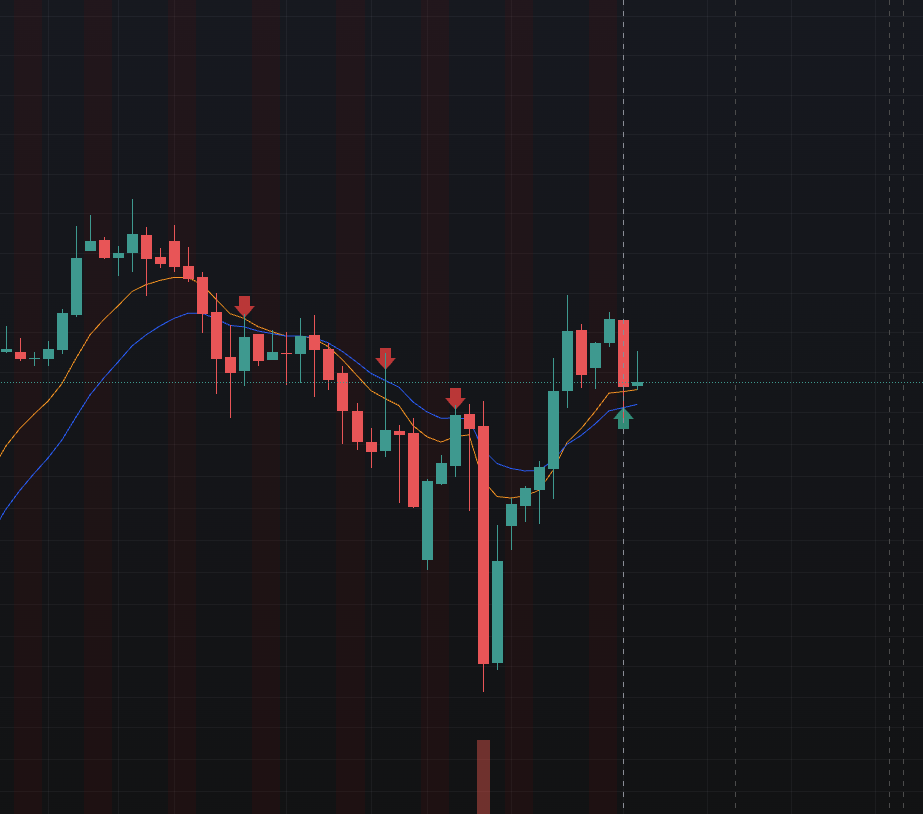
The crypto market, as we all know, is always buzzing with new innovations. And lately, apxUSD has really caught everyone's eye, even trending on big platforms like CoinGecko. This sudden interest, even with a recent 6.08% dip in its 24-hour value (which, let's be honest, is a big deal for a stablecoin!), shows that people are getting super curious about stablecoins that offer more than just a flat line.
So, what's all the hype about apxUSD? Let me break it down for you:
- Passive Income Appeal: In a market where everyone's looking for ways to earn some yield, the idea of a "dividend-backed" stablecoin is incredibly tempting. Bitcoin and other altcoins offer the chance for big gains, but man, do they come with massive volatility! apxUSD, on the other hand, offers the promise of regular income while, in theory, keeping that price risk to a minimum. It's a concept that's pretty familiar to those of us who dabble in dividend-paying stocks in the traditional market. For an Indian investor, earning a consistent return on a digital asset, without the constant headache of price crashes, is a huge draw. It's like getting your cake and eating it too, almost!
- Innovation in Stablecoin Design: The crypto community, myself included, is always on the hunt for protocols that really push the boundaries. apxUSD is a prime example of stablecoin design evolving. It's moving beyond just simple collateralization and directly integrating yield generation into its core. This fresh approach sparks a lot of discussion and naturally attracts users who are curious about how sustainable and efficient it really is. If you're interested in how stablecoins are generally shaking things up, check out this article: Stablecoin Revolution 2026: Regulatory Clarity and Market Dominance.
- Search Interest: Here's the thing – the fact that you're reading this right now is proof! When a new crypto asset or a unique mechanism like dividend-backing pops up, people naturally want to understand "what is apxUSD" and "how apxUSD works." This organic curiosity is a major driver behind its trending status.
- Market Dynamics and the Recent Drop: Now, a 6.08% drop in 24 hours for a stablecoin is a significant event. It might sound weird that it trends because of a drop, but trust me, it often triggers a whole lot of scrutiny and discussion.
- Concern and Opportunity: A temporary "de-peg" (when it loses its dollar peg) immediately raises questions about the stablecoin's mechanics and how resilient it really is. This pushes investors to dig deeper into its backing and stability. Some, the brave ones, might even see the dip as a buying opportunity, hoping the peg will be restored and they can profit from the recovery and snag future dividends.
- Risk Assessment: For others, it's a stark reminder that even stablecoins aren't completely risk-free. This makes understanding "Understanding the Risks and Potential of apxUSD" even more critical, sending more users scrambling for detailed info.
- Market Volatility Context: In the grand scheme of the crypto market, where Cryptocurrency Market Volatility: Harnessing Price Fluctuations for Trading Opportunities is a constant companion, a stablecoin that offers dividends is a super compelling story, even if it hits a few bumps in the road.
So, in a nutshell, apxUSD is trending because it offers a genuinely novel proposition: stable value plus passive income. That's a combo that really resonates with investors like us who are looking for both security and yield in this wild crypto landscape. And honestly, that recent price fluctuation just adds to the intrigue, making everyone want to take a closer look at what's really going on under the hood.
How apxUSD Works: The Dividend-Backed Mechanism
Okay, let's get into the nitty-gritty of how apxUSD actually makes and distributes those dividends. This is super important if you're thinking of holding it. Unlike those plain vanilla stablecoins that just sit on their collateral, apxUSD has a much more active strategy to create value for us, the holders.
Here’s a simplified breakdown of its dividend-backed mechanism – think of it as me explaining it over a cup of chai:
1. Collateralization and Pegging
- Foundation of Stability: Just like any good stablecoin, apxUSD's main goal is to keep its peg to a fiat currency, usually the US Dollar. This means that 1 apxUSD should always be worth about $1. To make this happen, apxUSD is backed by a reserve of assets. These reserves might include:
- Other well-known stablecoins (like USDT, USDC – the usual suspects).
- Liquid cryptocurrencies (the ones that are easy to buy and sell).
- And, potentially, even traditional assets or real-world assets (RWAs) that are brought onto the blockchain through tokenization.
- Maintaining the Peg: The protocol uses smart mechanisms, like arbitrage opportunities (where people profit from tiny price differences) or algorithmic adjustments, to make sure its price stays super close to its $1 target. If apxUSD dips below $1, the protocol might encourage people to buy it up. If it goes above $1, it might incentivize minting more of it. It's all about keeping that balance.
2. Dividend Generation
Now, this is where apxUSD truly stands out from the crowd. Those dividends aren't just appearing out of thin air; they're generated through various clever strategies employed by the apxUSD protocol itself. These strategies often tap into the wider DeFi ecosystem – it's like a smart investor putting your money to work!
- Yield Farming and Staking: The underlying collateral that the apxUSD protocol holds can be deployed into various DeFi protocols to earn yield. This could involve:
- Lending: Lending out stablecoins to other users on popular platforms like Aave or Compound, thereby earning interest. It's like giving a loan and getting paid for it.
- Liquidity Provision: Providing liquidity to decentralized exchanges (DEXs) such as Uniswap or PancakeSwap. In return, the protocol earns trading fees and liquidity mining rewards. If you want to know more about DEXs, this article is a great start: What is a DEX? A Beginner's Guide to Decentralized Exchanges.
- Staking: If any cryptocurrencies are part of the collateral, they might be staked to earn staking rewards. For a deeper dive into staking, check out What Is Mining vs Staking?.
- Protocol Fees: The apxUSD protocol itself might charge small fees when you mint, redeem, or transfer apxUSD. A portion of these fees can then be funnelled directly into the dividend distribution pool.
- Investment in Revenue-Generating Assets: The protocol might even strategically invest some of its reserves into other crypto assets that generate revenue or even traditional assets, with all those returns eventually flowing back to us, the apxUSD holders.
Let's quickly think of an example for us Indian users: Imagine the apxUSD protocol has ₹8300 worth of stablecoins as collateral. It might decide to put ₹5000 of that into a DeFi lending protocol that offers, say, a 5% annual yield. Over a year, that generates ₹250 in interest. This interest, after covering any operational costs and treasury allocations, could then be distributed as dividends to everyone holding apxUSD. See how it works?
3. Dividend Distribution
- Mechanism: Now, how do you actually get these dividends? Well, they can be distributed in a few different ways:
- Automatic Distribution: Sometimes, they're just directly credited to your wallet at regular intervals – could be daily, weekly, or monthly. Super convenient!
- Claimable Rewards: Other times, you might need to head over to the apxUSD protocol's website or a specific dApp to "claim" your accumulated dividends. It's like logging in to collect your earnings.
- Reflecting in Price: In some less common models, the dividend might accrue internally, meaning the value of 1 apxUSD slowly inches up over time, rather than direct payouts. But generally, when we talk "dividend-backed," we're usually talking about explicit distributions.
- Form of Dividend: These dividends are typically paid out in the same currency as the stablecoin (so, apxUSD itself), or sometimes in another stablecoin (like USDC), or even the protocol's own native governance token.
4. Transparency and Audits
Here's what matters for a dividend-backed stablecoin: transparency is absolutely key! The protocol should ideally provide clear, easy-to-understand information on:
- What makes up its reserves (what assets are backing it).
- The exact strategies it uses to generate that yield.
- How often and in what way it distributes dividends.
- And most importantly, regular audits of its smart contracts and financial operations by reputable third parties are non-negotiable. This builds trust and verifies that their claims are legit.
Basically, apxUSD tries to be a smart, dynamic stablecoin. It's not just passively sitting on its collateral; it's actively using it to generate returns, and then passing a piece of those returns back to you, the holder. While this mechanism is super innovative, it also adds a few more layers of complexity and potential risks compared to simpler stablecoins. We'll get to those risks soon, don't worry! For those of you keen on maximizing returns safely in DeFi, articles like DeFi Protocols and Yield Farming: Maximizing Returns Safely can give you even more context.
apxUSD Price and Market Data
Understanding the price and market data for apxUSD is absolutely crucial for any potential investor, especially given its unique nature as a dividend-backed stablecoin. While it aims for stability, market forces and how well the protocol performs can definitely sway its value.
The Stablecoin Peg
The main goal of apxUSD, just like most stablecoins, is to keep that price peg, usually to the US Dollar. So, 1 apxUSD should ideally trade at or very, very close to $1. For us Indian users, this means a value of roughly ₹83-₹84 (depends on the current INR-USD exchange rate, of course).
But here's the kicker: unlike those fiat-backed stablecoins that simply hold an equivalent amount of fiat currency, dividend-backed stablecoins have an extra layer of complexity because of their yield-generating activities. It's not just a simple 1:1 reserve.
Recent Price Action: The 6.08% Drop
Now, the news about apxUSD recently dropping by 6.08% in 24 hours on CoinGecko? That's a major red flag for any stablecoin, and something we need to pay close attention to.
- What a de-peg means: When a stablecoin loses its peg, even if it's just for a short while, it usually signals some potential underlying issues. A 6.08% drop means that for every 1 apxUSD you held, its value went down from $1 to approximately $0.9392. If you had ₹8300 worth of apxUSD, its value would have temporarily dipped to around ₹7795. That's a significant loss, even if temporary!
- Reasons for de-peg: Such a drop can happen for a bunch of reasons:
- Liquidity Crisis: A massive sell-off without enough buyers stepping in can really push the price down.
- Concerns about Collateral: People might start doubting the quality, quantity, or even the accessibility of the underlying assets that are supposed to be backing apxUSD.
- Smart Contract Vulnerabilities: Sometimes, there could be exploits or bugs in the protocol's code, which is always a risk in crypto.
- Yield Sustainability Issues: If the way it generates dividends seems risky or unsustainable, confidence can quickly disappear.
- Market Sentiment: Broader market panic or FUD (Fear, Uncertainty, Doubt) can trigger sell-offs even for assets that are supposed to be stable.
- Recovery Mechanism: A truly robust stablecoin protocol will have mechanisms in place to get its peg back. This could mean incentivizing arbitrageurs (those smart traders who profit from price differences) to buy the discounted token, or even injecting more collateral. The speed and effectiveness of this recovery are huge indicators of how healthy and reliable a stablecoin actually is.
Key Market Data Metrics
When you're checking out apxUSD or any cryptocurrency, paying attention to these key market data points can give you some really valuable insights. Here's what matters:
| Metric | Description