Tradingby Rajesh
The Turtle Soup: Most powerful Tool in Trading
3 min read14 January 202639 reads
The Turtle Soup Trading Strategy: Profiting from market traps
The "Turtle Soup" strategy is a sophisticated contrarian approach to technical analysis, originally popularized by legendary trader Linda Bradford Raschke in her book Street Smarts. While the name pays homage to the famous "Turtle Traders" of the 1980s, the strategy is actually its polar opposite. Where the original Turtles sought to buy breakouts and ride long-term trends, Turtle Soup seeks to fade those breakouts, profiting from the frequent "false moves" and liquidity traps that characterize modern financial markets.
The Philosophy: Fading the Breakout
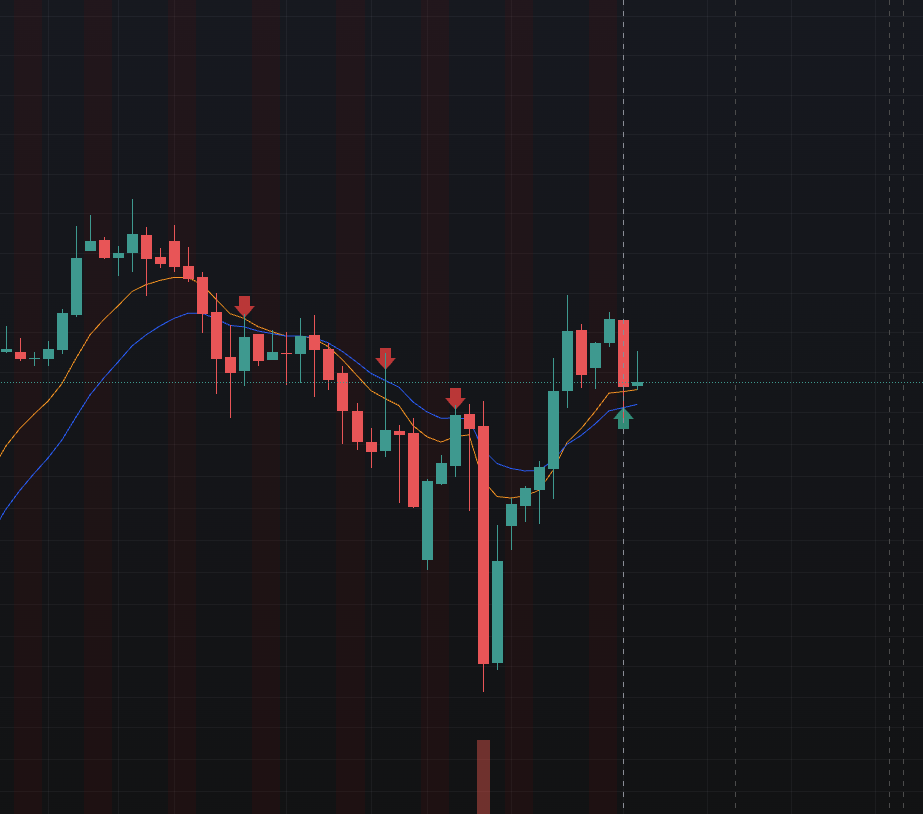
The core premise of Turtle Soup is that breakouts often fail. In many cases, when a price breaches a significant high or low, it isn't the start of a new trend but a "liquidity sweep." Institutional players often push prices past these key levels to trigger the stop-loss orders of retail traders. This creates the necessary liquidity for larger players to enter their own positions in the opposite direction. Turtle Soup traders aim to enter the market at the exact moment this reversal begins.
Key Strategy Rules (Long Setup)
To execute a standard Turtle Soup buy setup (long), traders typically look for the following criteria:
The 20-Bar Low: The market must make a new 20-bar low. This is a significant support level where many traders place "sell stop" orders.
Recency Filter: The previous 20-bar low must have occurred at least four trading sessions ago. This ensures that the market is not simply in a vertical free-fall (which would be "catching a falling knife").
The Entry: Once the price drops below the previous 20-bar low, you place a buy stop order 5–10 ticks above that previous low level. This order is only valid for the day it is placed.
The Stop Loss: Immediately upon entry, a stop loss is placed just below the current day's new low.
The Re-Entry: If the trade is stopped out on the first day, a trader may re-enter if the price again crosses the original entry point.
Key Strategy Rules (Short Setup)
For a short setup, the logic is mirrored:
The market must hit a new 20-bar high.
The previous 20-bar high must be at least four sessions old.
A sell stop order is placed 5–10 ticks below the previous high.
The stop loss is positioned just above the high of the current breakout candle.
Why It Works,
Turtle Soup is highly effective because it has a built-in "edge": it exploits the emotional behavior of breakout traders. When a breakout fails, those who bought the "high" or sold the "low" are trapped. As they scramble to exit their losing positions, their selling (or buying) provides the momentum needed to fuel the reversal in the opposite direction.
Risk Management and Targets
Because this is a reversal strategy, it often yields a high risk-to-reward ratio. However, because it is contrarian, the win rate can be lower than trend-following methods. Traders typically target the opposite end of the recent range—for example, if buying a failed low, the target might be the upper border of the 20-candle consolidation zone.
The Turtle Soup strategy remains a staple for short-term swing traders and day traders who want to stop being the "liquidity" for big institutions and start trading alongside them