Fear and Greedby Adarsh Pal
Psychology of Crypto Investors
3 min read7 January 202685 reads
Written by

1 follower
Psychology of Crypto Investors: How Emotions Drive the Market
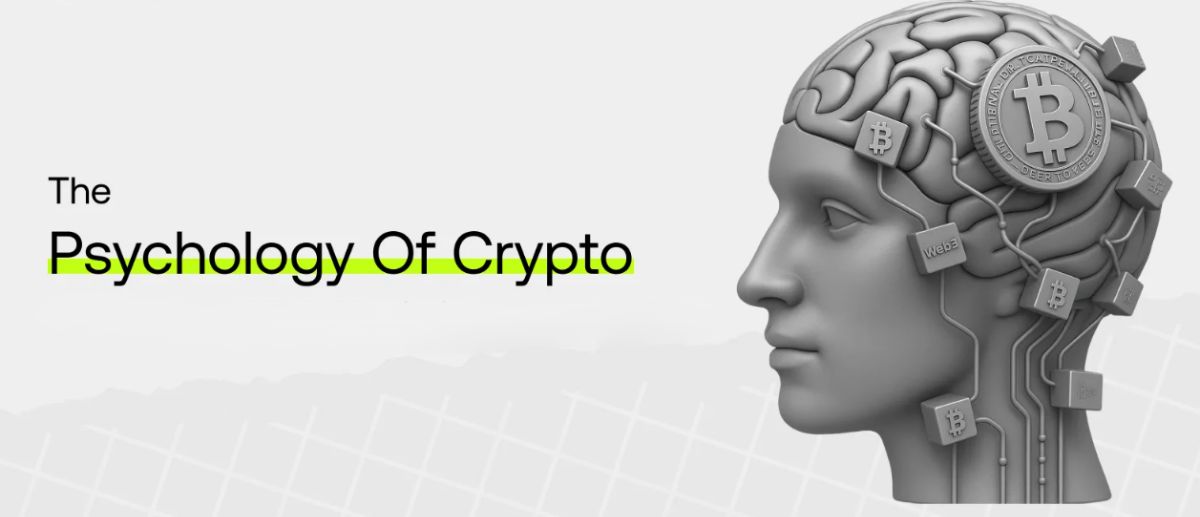
Cryptocurrency markets move fast, but price charts tell only part of the story. Behind every pump, crash, and sudden breakout is human psychology. Fear, greed, hope, panic, and herd behavior often influence crypto prices more than fundamentals or technology.
Understanding investor psychology helps traders make smarter decisions, avoid emotional mistakes, and recognize opportunities when others overreact.
Why Psychology Matters in Crypto
Crypto markets operate 24/7, are highly volatile, and attract participants from all experience levels. Unlike traditional markets, regulation is limited and information spreads instantly through social media. This creates emotional reactions that amplify price movements.
When investors panic, prices drop rapidly. When optimism spreads, prices surge beyond reasonable value. Successful investors learn to manage emotions rather than react to them.
Fear: The Market’s Strongest Emotion
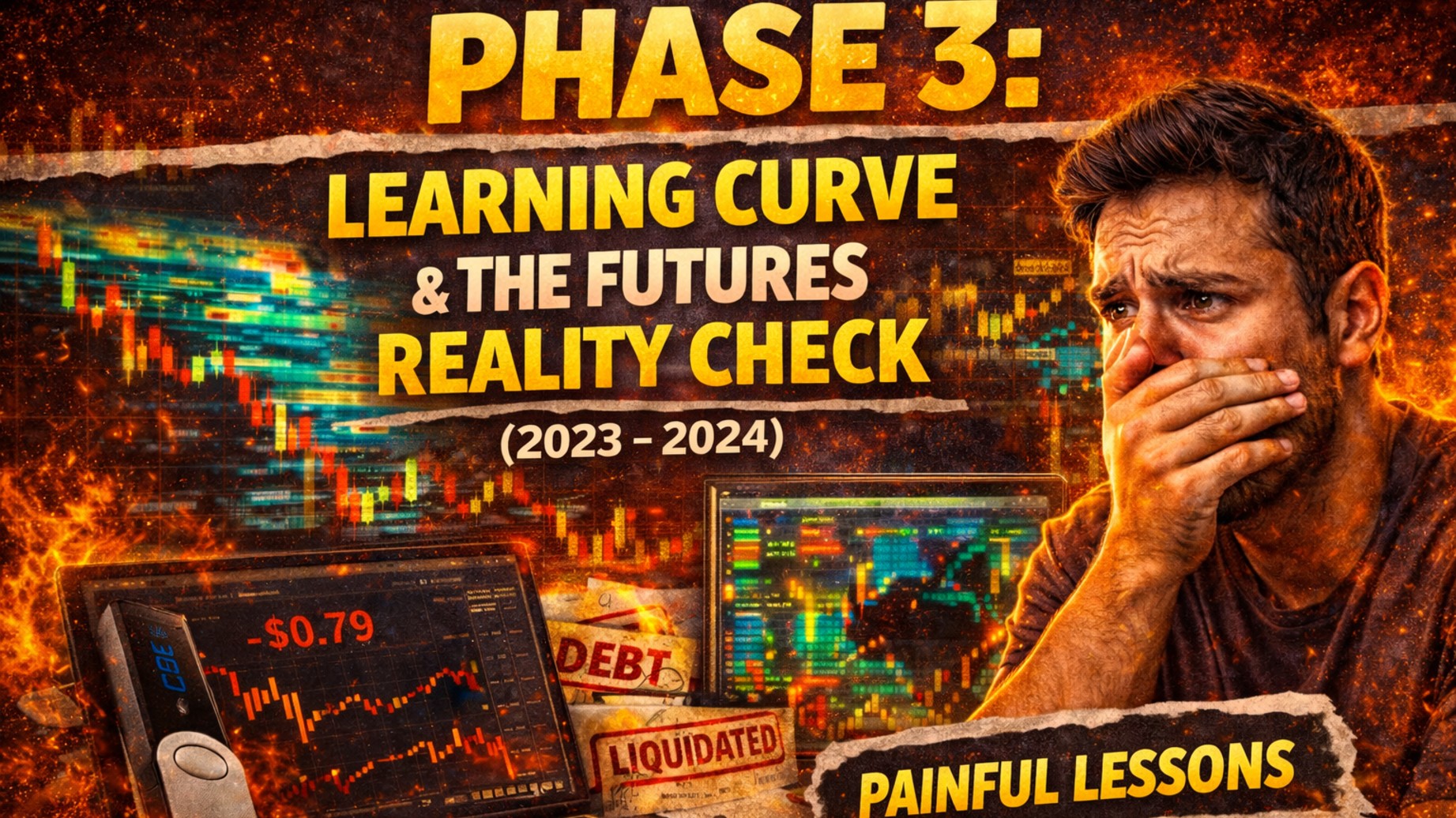
Fear appears during price crashes, negative news, hacks, regulations, or market uncertainty. Investors rush to sell to protect capital, often at the worst possible time.
Common fear-driven behaviors include:
Panic selling during sudden drops
Exiting positions too early
Avoiding good opportunities due to past losses
Fear creates undervalued markets, but only disciplined investors recognize these opportunities.
Greed: Chasing Quick Profits
Greed dominates during bull markets. Rising prices create excitement and unrealistic expectations. Investors chase momentum without analyzing risk.
Typical greed behaviors include:
Buying near market tops
Using excessive leverage
Ignoring stop-loss rules
Overtrading
Greed often leads to sharp corrections when expectations collapse.
FOMO: Fear of Missing Out
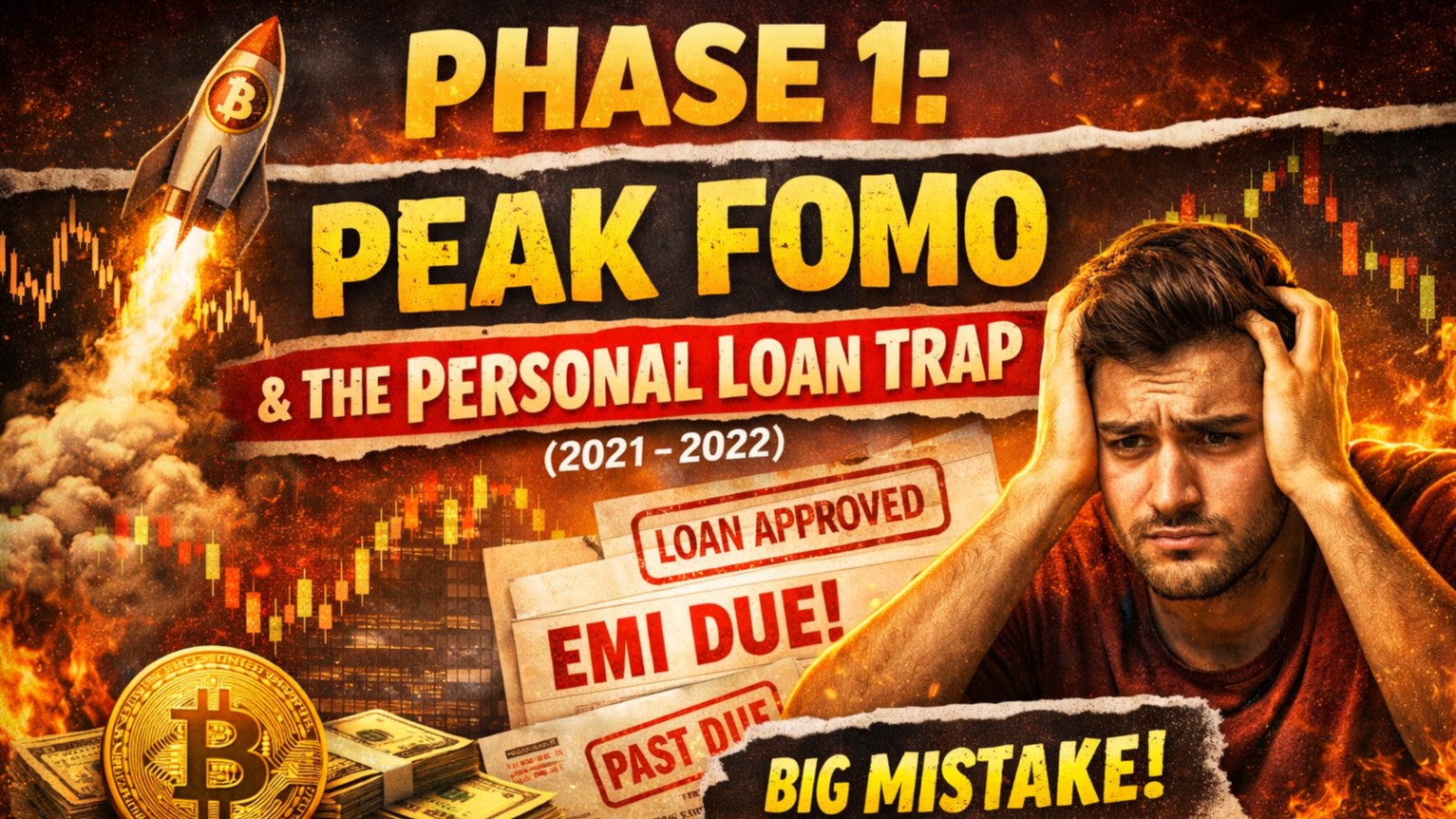
FOMO pushes investors to buy simply because prices are rising or everyone else is talking about a coin. Social media hype, influencers, and viral news amplify this behavior.
FOMO buying usually happens late in price cycles and exposes investors to rapid losses when momentum fades.
Herd Mentality and Market Cycles
Many crypto investors follow the crowd rather than independent analysis. Herd behavior creates bubbles and crashes.
Typical cycle: Optimism → Excitement → Euphoria → Panic → Capitulation → Recovery
Understanding this cycle allows investors to stay rational when others become emotional.
Overconfidence and Confirmation Bias
After a few successful trades, investors may become overconfident and ignore risk. Confirmation bias leads traders to seek only information that supports their beliefs while ignoring warning signs.
This mindset often results in oversized positions and unexpected losses.
Loss Aversion and Emotional Attachment
Investors feel losses more intensely than gains. Many refuse to sell losing positions hoping the price will recover, even when fundamentals change. Emotional attachment to projects or communities can cloud judgment.
How Smart Investors Control Psychology
Successful investors focus on discipline, not prediction.
Key practices include:
Using stop-loss consistently
Managing position size
Avoiding emotional trading
Maintaining a long-term perspective
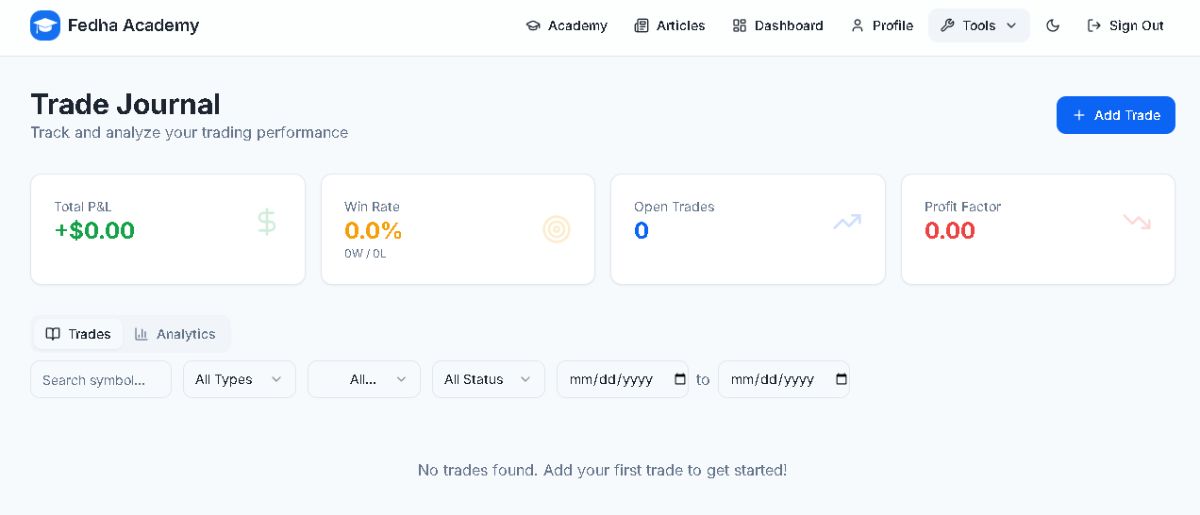
Keeping a trading journal "https://fedhaacademy.in/tools/trade-journal"
Data-driven decisions outperform emotional reactions.
Using Sentiment Indicators
Tools such as the Fear and Greed Index, funding rates, and on-chain metrics help measure market psychology objectively. These indicators help identify extreme emotional conditions where reversals often occur.
Conclusion
Crypto markets are driven as much by psychology as by technology and economics. Investors who understand emotional patterns gain a powerful advantage. Mastering your mindset is often more important than mastering charts or indicators.
In crypto, emotional discipline separates consistent winners from reactive traders.
In next article you will understand "Why Profit Booking is Important".
Stay tuned !!