Web3by Akhil Gaddam
Metaverse and Web3: Crypto's Next Frontier in 2026
2 min read14 January 202646 reads
Written by

1 follower
The convergence of Web3 and the metaverse represents cryptocurrency's most ambitious frontier, transforming how we socialize, work, and conduct commerce in immersive digital environments. Virtual worlds powered by blockchain technology are creating entirely new economies where digital assets hold real value and users control their data and identities.
Web3 fundamentally reimagines internet architecture, replacing centralized platforms with decentralized networks where users own their content, data, and digital identities. Blockchain enables verifiable ownership through NFTs, while smart contracts automate transactions without intermediaries. This infrastructure powers metaverse platforms where virtual land, buildings, avatars, and experiences become tradeable assets with genuine economic value.
Decentraland, The Sandbox, and Otherside lead the virtual real estate boom, with prime locations selling for millions. Companies like Nike, Gucci, and JP Morgan have established metaverse presences, hosting events, selling digital goods, and exploring new business models. Virtual land generates revenue through advertising, events, and rental income, functioning as digital property investments with appreciation potential.
Metaverse cryptocurrencies like MANA, SAND, and APE power these economies, serving as transaction mediums and governance tokens. Holders vote on platform development and treasury allocations, directly shaping virtual world evolution. Early adopters who invested in these tokens and virtual land have realized substantial returns, though volatility remains significant.
Creating value in Web3 requires understanding digital scarcity and community building. Successful projects cultivate engaged users through compelling experiences and genuine utility. Virtual concert venues, art galleries, educational spaces, and business meeting rooms attract consistent traffic, generating revenue from events and rentals. NFT collections gain value through community strength and utility within metaverse ecosystems.
Investing strategically means diversifying across platforms, tokens, and virtual assets. Research development teams, user growth metrics, and technological capabilities. Established platforms offer stability while emerging projects provide higher risk-reward potential. Virtual real estate near high-traffic areas commands premiums, similar to physical real estate principles.
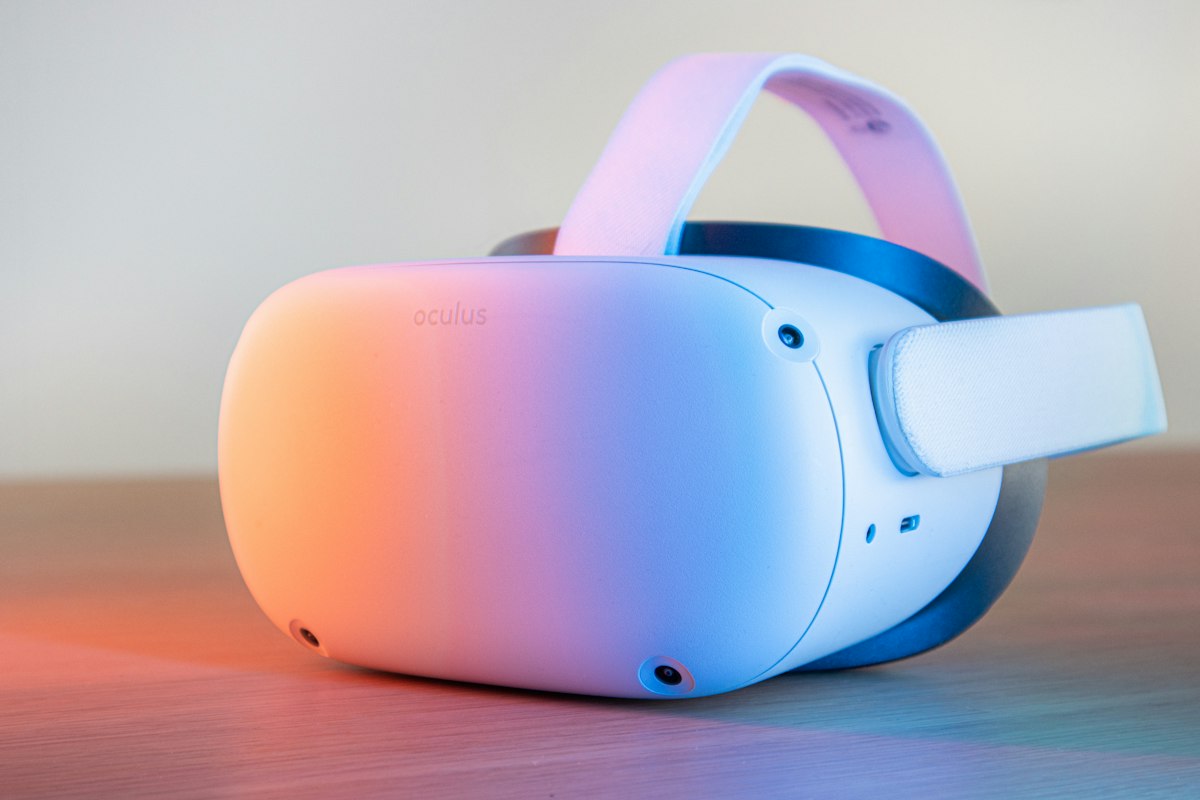
Interoperability challenges and hardware limitations currently constrain mainstream adoption, but rapid progress continues. Apple's Vision Pro and Meta's headsets are making virtual experiences more accessible and immersive. As technology improves and user interfaces simplify, the metaverse will transition from early adopter phase to mass market reality, potentially revolutionizing how humanity interacts with digital environments and cryptocurrency integration becomes seamless.