Blockchainby Adarsh Pal
Long Liquidation vs Short Squeeze
2 min read13 January 202633 reads
Written by

1 follower
Long Liquidation vs Short Squeeze: How Leverage Moves the Market
Leverage trading can magnify profits, but it can also accelerate losses. Two powerful phenomena dominate leveraged markets: long liquidation and short squeeze. These events create sudden price spikes or crashes and often surprise retail traders.
Understanding how they work helps traders manage risk and avoid emotional decisions.
What Is a Long Liquidation?
A long liquidation happens when traders who bet on price going up (long positions) are forced to close their positions because the price falls too much.
When traders use leverage, they borrow money from the exchange. If the market moves against them and their margin drops below required levels, the exchange automatically closes their position to prevent further loss.
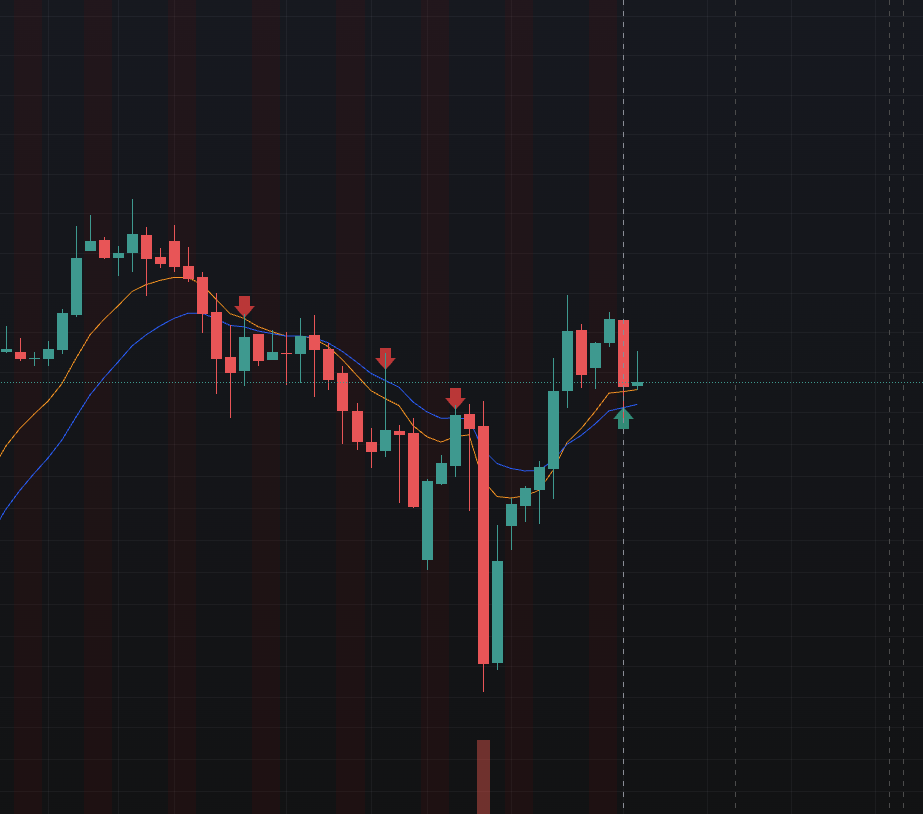
This forced selling pushes price even lower, triggering more liquidations — creating a cascade effect.
Real-Life Example of Long Liquidation
Imagine Bitcoin trading at $60,000.
Many traders open long positions using 10× leverage expecting a breakout.
Suddenly, negative macro news hits the market and Bitcoin drops to $57,000.
What happens:
Leveraged long positions start losing margin
Some traders hit liquidation price
Their positions are automatically sold
Forced selling increases downward pressure
More longs get liquidated
Price rapidly drops to $54,000 due to cascading liquidations — even though nothing fundamentally changed.
This is how sharp flash crashes happen.

What Is a Short Squeeze?
A short squeeze happens when traders who bet on price going down (short positions) are forced to buy back because the price rises sharply.
Short sellers borrow assets and sell them hoping to buy them back cheaper. If price rises instead, they must buy at higher prices to close positions, pushing price even higher.
This creates a chain reaction of forced buying.
Real-Life Example of Short Squeeze
Assume Ethereum is trading at $2,000.
Many traders open short positions expecting a breakdown.
Suddenly, a positive ETF announcement triggers heavy buying and price jumps to $2,150.
What happens:
Short positions start losing margin
Liquidation levels trigger
Shorts are forced to buy ETH
Buying pressure increases rapidly
More shorts get liquidated
Price explodes to $2,300 within minutes — driven primarily by forced buying, not organic demand.
This is a classic short squeeze.
Why These Events Happen Often in Crypto
Crypto markets use high leverage and trade 24/7 with high volatility. Even small price movements can trigger liquidation cascades.
Liquidity gaps and news events amplify these moves.
How Traders Can Protect Themselves
Use lower leverage
Always set stop-loss
Avoid crowded trades
Monitor liquidation heatmaps
Respect volatility during news events
Risk only small capital per trade
Conclusion
Long liquidations and short squeezes are mechanical reactions caused by leveraged positions, not always real market sentiment. Understanding these dynamics helps traders avoid emotional traps and trade with better risk control.
In next article you will understand "What is Open Interest (OI) in Crypto?".
Stay tuned !!