Tradingby Akhil Gaddam
Leverage and Margin Trading Risks: How to Protect Your Crypto Portfolio
2 min read24 February 202638 reads
Written by

1 follower
# Understanding Leverage and Margin Trading Risks
## Introduction
Leverage trading offers traders the ability to amplify their potential returns by borrowing funds to increase their position size. However, this powerful tool comes with substantial risks that can lead to rapid account liquidation and complete loss of capital. Understanding these risks is essential for anyone considering margin trading in the cryptocurrency market.
## The Mechanics of Leverage Trading
What is Leverage?
Leverage allows traders to control larger positions with a smaller amount of capital. For example, with 10x leverage, you can control $10,000 worth of crypto with just $1,000 of your own funds. While this multiplies potential gains, it equally magnifies losses.
Types of Margin Trading
- Spot Margin: Borrowing assets to trade on the spot market
- Futures Leverage: Trading perpetual or dated futures contracts
- Cross Margin: Risk your entire balance as collateral
- Isolated Margin: Risk only the funds allocated to specific positions
## Critical Risks of Leverage Trading
### Liquidation Risk
This is the primary danger of margin trading. When your losses reach a certain threshold (liquidation price), the exchange automatically closes your positions to prevent further losses. You lose your entire margin deposit instantly.
### Flash Crashes and Wicks
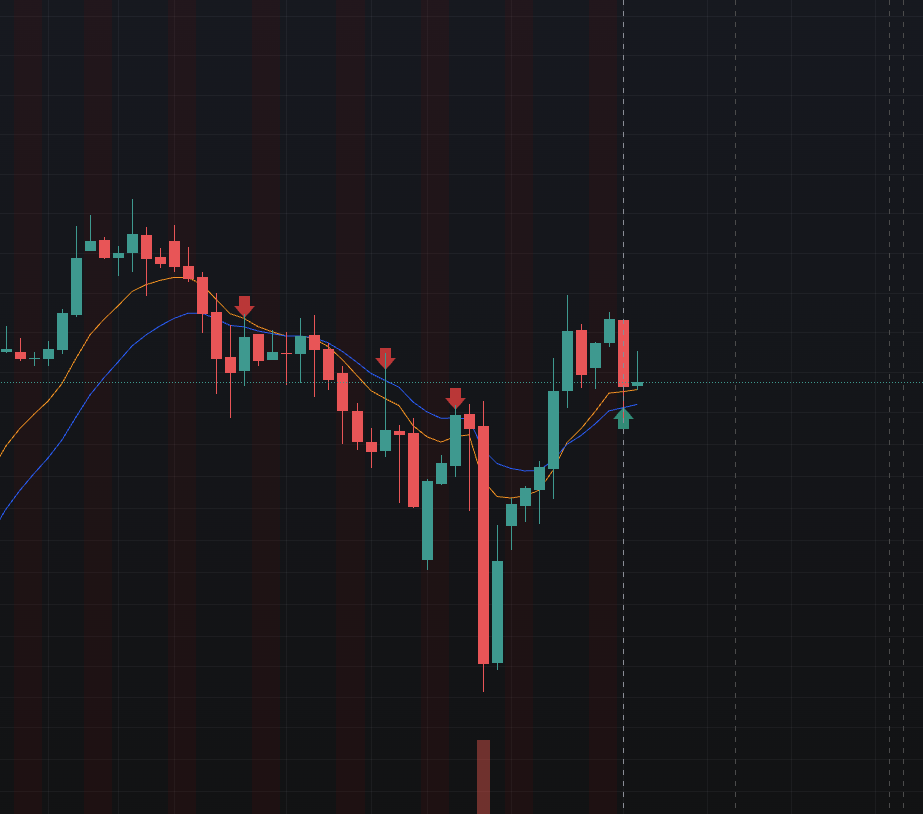
Cryptocurrency markets experience sudden, violent price movements that can liquidate thousands of traders in seconds. A 10% wick might liquidate leveraged positions even if the market recovers minutes later.
### Forced Position Closure
Exchanges close positions at unfavorable prices during extreme market volatility, often at worse rates than your liquidation price, amplifying losses.
### Leverage Decay Over Time
In futures trading, funding rates can significantly eat into your profits. Holding positions during unfavorable funding periods can gradually erode your returns.
## Risk Management Strategies
1. Position Sizing
Never risk more than 1-2% of your capital on any single trade. For leveraged trades, reduce this to 0.5% maximum.
2. Stop-Loss Orders
Always place stop-losses 2-3% below your leverage position entry. This prevents catastrophic losses from market wicks.
3. Use Lower Leverage
- Beginners: Stick to 2-3x leverage maximum
- Intermediate traders: 5-10x leverage only with strict stops
- Advanced traders: Only use 20x+ with professional risk management
4. Avoid Overfunding
Keep your margin account funded with only what you're willing to lose on leveraged positions. Separate your spot holdings from margin collateral.
5. Monitor Liquidation Price
Always know your liquidation price. Set alerts 5-10% above the liquidation level to exit positions before automatic closure.
## Key Takeaways
- Leverage amplifies both gains AND losses proportionally
- Liquidation can happen instantly during market volatility
- Position sizing and stop-losses are non-negotiable for margin traders
- Start with minimal leverage and increase only with experience
- Consider the opportunity cost of lost capital when calculating risk-reward ratios
## Conclusion
While leverage trading can offer exceptional returns, the risks are equally exceptional. Success in margin trading requires discipline, strict risk management, and realistic expectations. For most retail traders, the safest approach is trading with capital they can afford to lose completely and using only modest leverage (2-3x) until they develop a consistently profitable strategy with proper risk controls. Remember: surviving the market is more important than winning every trade.