Bitcoinby Adarsh Pal
Fed Rate Decisions and Bitcoin Volatility
2 min read14 January 202645 reads
Written by

1 follower
Note for Readers:
From this point onward, we will focus on "Micro-Economic"and "Micro-Economic" factors that impact Bitcoin price. Understanding these signals will help you analyze market movements better and avoid emotional trading. This article we will step toward learning how real-world economics influences crypto markets.
Fed Rate Decisions and Bitcoin Volatility
Bitcoin may be decentralized, but it is not isolated from the global financial system. One of the strongest external forces influencing Bitcoin’s price is the interest rate policy set by the U.S. Federal Reserve. When the Fed changes interest rates or signals future policy direction, financial markets often react immediately and Bitcoin is no exception.
Understanding how Fed rate decisions impact Bitcoin volatility helps traders anticipate market movements and manage risk more effectively.
What Are Fed Rate Decisions?
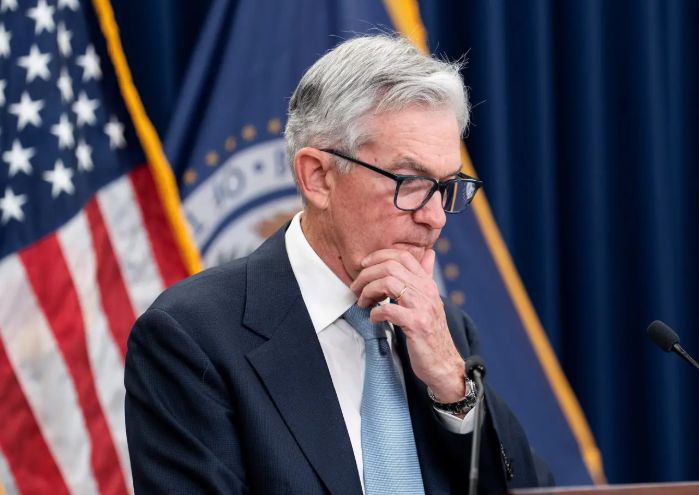
The Federal Reserve controls short-term interest rates to manage inflation, employment, and economic stability. These decisions influence how expensive it is to borrow money and how attractive it is to save or invest.
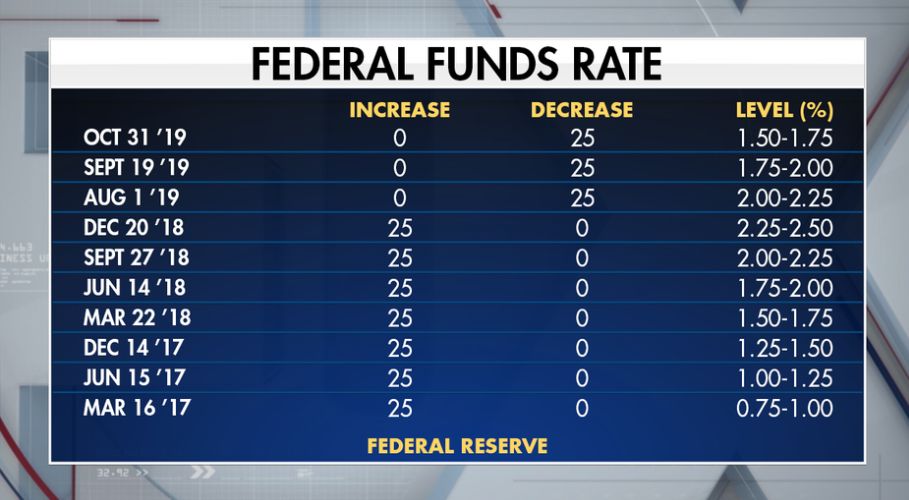
When the Fed raises rates, borrowing becomes more expensive and liquidity tightens. When rates are cut, money becomes cheaper and liquidity increases.
Fed decisions are announced after Federal Open Market Committee (FOMC) meetings and are closely monitored by global markets.
Why Interest Rates Affect Bitcoin
Although Bitcoin operates independently of banks, its price reacts to macroeconomic liquidity conditions.
Higher interest rates reduce speculative investment because capital moves toward safer assets such as bonds and savings instruments. This often pressures Bitcoin prices downward.
Lower interest rates increase liquidity and encourage investors to seek higher returns in risk assets, including cryptocurrencies.
Bitcoin behaves increasingly like a macro risk asset during tightening and easing cycles.
How Fed Decisions Create Bitcoin Volatility
Fed announcements often trigger sharp price movements due to:
Unexpected rate changes
Policy guidance surprises
Inflation outlook shifts
Market positioning adjustments
Algorithmic trading reactions
Even neutral decisions can cause volatility if market expectations differ from reality.
Risk-On vs Risk-Off Behavior
When the Fed signals easing or rate cuts, markets shift into risk-on mode, supporting Bitcoin rallies.
When the Fed signals tightening or higher-for-longer rates, markets enter risk-off mode, increasing selling pressure.
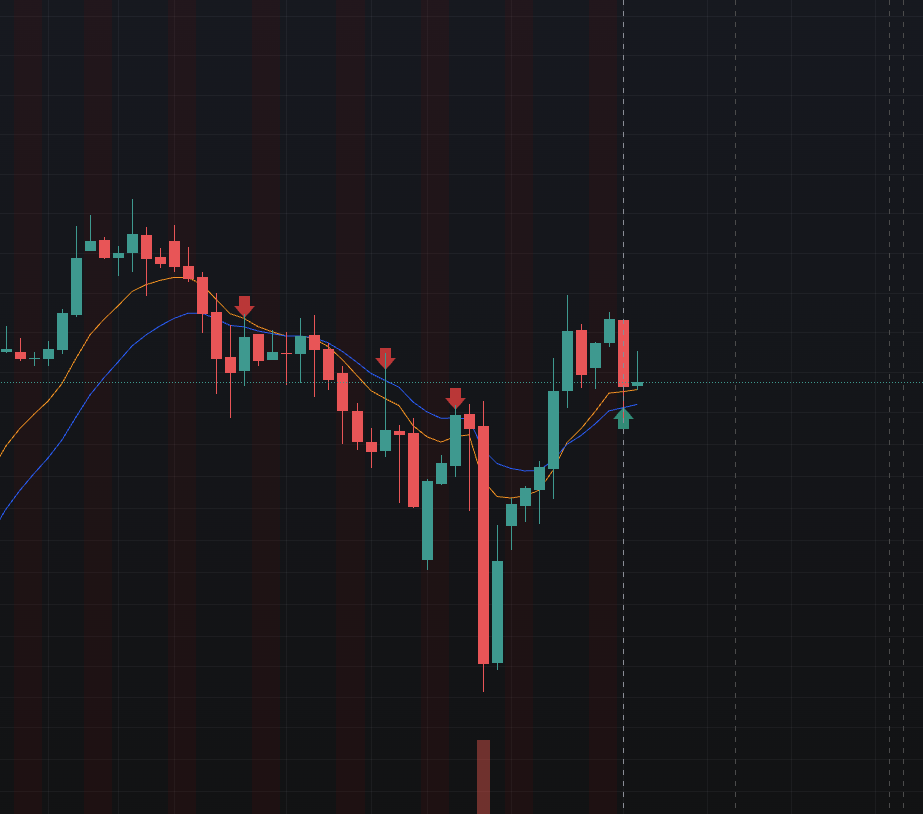
Bitcoin volatility often spikes during these transitions.
Historical Observations
During aggressive rate hikes in 2022, Bitcoin experienced extended bearish pressure as liquidity tightened.
In periods of easing expectations, Bitcoin often rallied sharply as capital rotated back into risk assets.
Fed guidance matters as much as actual rate changes.
How Traders Prepare for Fed Events
Professional traders monitor:
CPI inflation data
Employment reports
Bond yields
Dollar index movement
Market expectations
Risk exposure is often reduced ahead of major Fed announcements.

Long-Term vs Short-Term Impact
Short-term volatility can be intense immediately after announcements. Long-term trends depend on sustained monetary policy direction rather than single meetings.
Conclusion
Fed rate decisions significantly influence Bitcoin volatility by shaping liquidity, risk appetite, and capital flows. While Bitcoin remains decentralized, macroeconomic forces continue to drive price cycles. Understanding these dynamics helps traders navigate volatility more strategically.
In next article you will understand "M2 Money Supply vs Bitcoin Price".
Stay tuned !!