Tradingby Akhil Gaddam
Risk Management in Cryptocurrency Trading: Protect Your Capital
2 min read28 January 202635 reads

Written by

1 follower
The Foundation of Profitable Trading
Risk management is the cornerstone of long-term trading success. Many traders focus exclusively on profit potential but ignore the risks involved. This imbalance inevitably leads to catastrophic losses.
The 1-2% Rule
Professional traders follow the 1-2% rule: never risk more than 1-2% of your total trading capital on a single trade. This approach ensures that even a series of losing trades won't wipe out your account.
Position Sizing Strategy
Position size should be determined by your risk tolerance and stop-loss distance. This is critical for consistent profitability.
Stop-Loss Orders: Your Safety Net
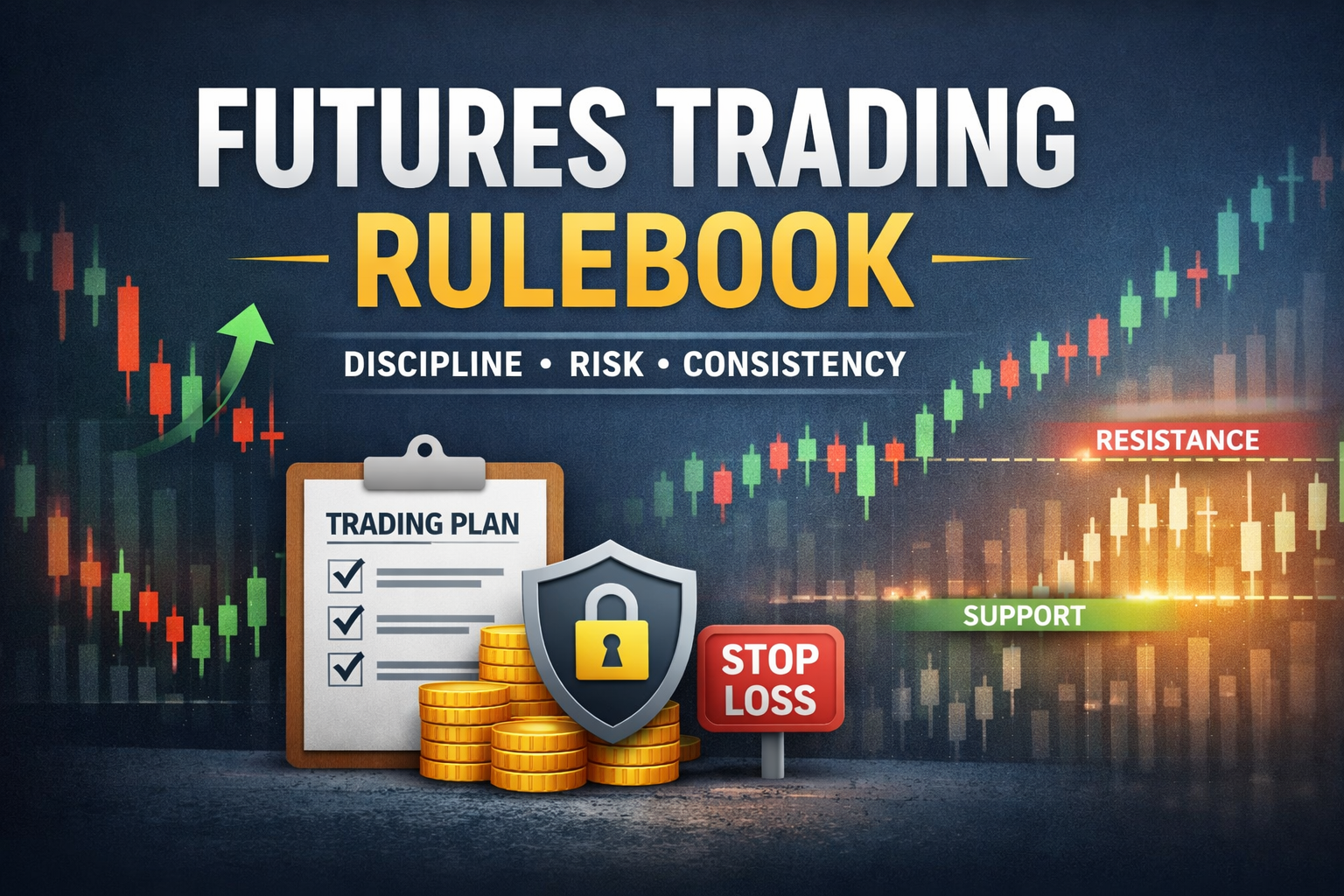
Stop-loss orders automatically exit your position at a predetermined price, limiting losses. These are non-negotiable.
Portfolio Diversification
Don't put all capital into a single cryptocurrency. Spread risk across multiple assets and timeframes.
Taking Profits Systematically
Implement a take-profit strategy to lock in gains at various levels of profitability.
Emotional Discipline
Risk management means following your plan regardless of emotions. Stick to your position sizes, stop-losses, and profit targets. Never add to losing positions or take revenge trades after losses. Respect your risk management plan absolutely.
Position Sizing Examples
Let's look at practical examples. If you have a $5,000 account and want to risk 2% per trade, that's $100 at risk. If your stop-loss is 5% away from entry, you can position size accordingly. The same calculation applies to larger accounts.
Maximizing Returns While Protecting Capital
The goal of risk management isn't to avoid losses entirely—that's impossible. Instead, it's to ensure that winning trades are larger than losing trades over time. By managing risk effectively, your wins will compound while your losses remain controlled.
Conclusion
Capital preservation should be your first priority. By implementing strict risk management, you ensure survival through market cycles and accumulation of wealth over time. Remember that successful trading isn't about winning every single trade; it's about losing less money when wrong and winning more when right. This fundamental principle separates profitable traders from those who eventually blow up their accounts.
Conclusion
Capital preservation should be your first priority. By implementing strict risk management, you ensure survival through market cycles and accumulation of wealth over time.