Blockchainby Akhil Gaddam
Crypto Security Best Practices: Protecting Your Digital Assets in 2026
3 min read14 January 202647 reads
Written by

1 follower
Cryptocurrency security remains the responsibility of individual holders in 2026, making proper protection protocols essential for anyone holding digital assets. While blockchain technology itself is secure, user error and social engineering attacks continue costing billions annually. Understanding and implementing security best practices prevents devastating losses.
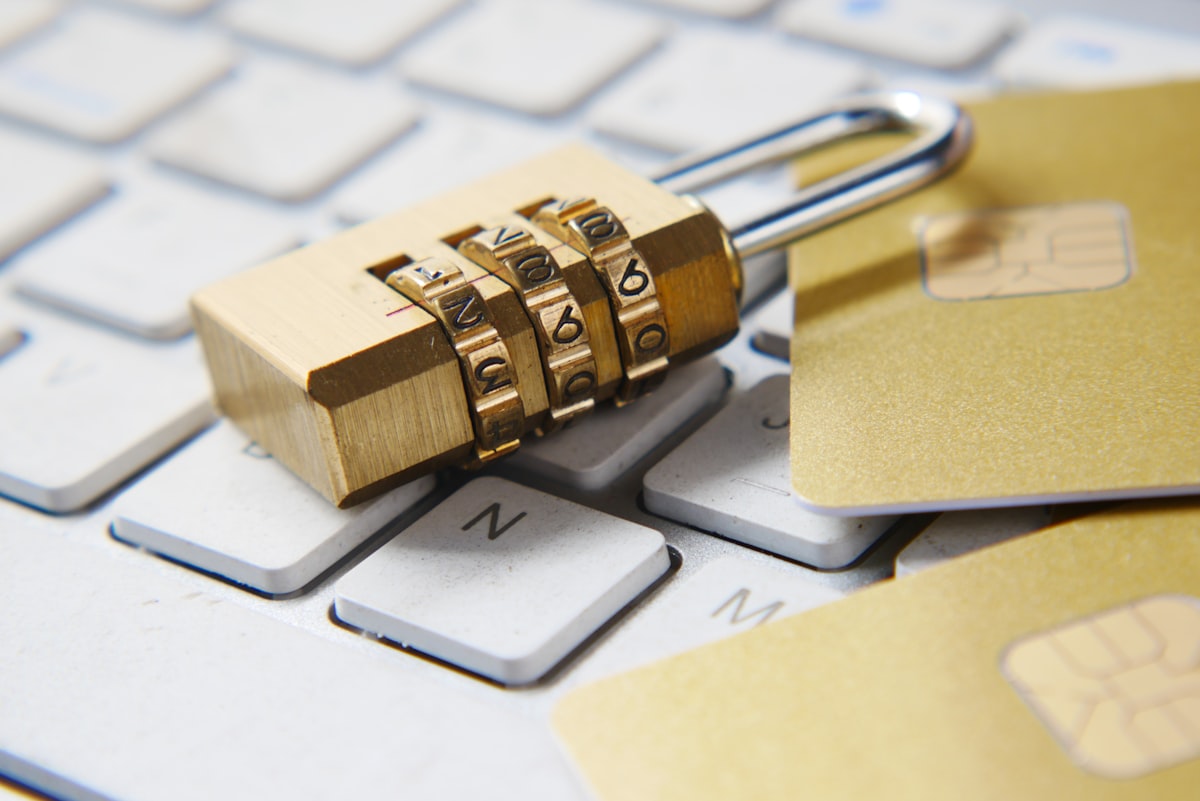
Hardware wallets represent the gold standard for cryptocurrency storage. Devices like Ledger and Trezor keep private keys offline, immune to remote hacking attempts. Even if your computer is compromised, hardware wallets require physical confirmation for transactions, preventing unauthorized transfers. For holdings exceeding a few thousand dollars, hardware wallets are non-negotiable. Store devices securely and never share PINs or recovery phrases digitally.
Seed phrase management determines whether you can recover lost funds or lose everything permanently. These 12-24 word phrases are master keys to your cryptocurrency. Write them on paper or metal, never store digitally or in cloud services. Create multiple copies stored in separate secure locations like fireproof safes or bank deposit boxes. Consider using metal seed phrase storage devices that withstand fire and water damage. Memorizing phrases adds additional security but shouldn't replace physical backups.
Phishing remains the most common attack vector in 2026. Scammers create fake websites, emails, and social media profiles impersonating legitimate platforms. Always verify URLs carefully before entering credentials or signing transactions. Bookmark legitimate sites rather than clicking links. Enable whitelists that only allow transfers to pre-approved addresses. Be suspicious of urgent messages requesting immediate action—legitimate platforms never pressure users.
Two-factor authentication (2FA) adds critical security layers but requires proper implementation. Use authentication apps like Google Authenticator or Authy rather than SMS, which is vulnerable to SIM swapping attacks. Store 2FA backup codes securely offline. For exchange accounts holding significant value, consider hardware security keys providing phishing-resistant authentication. Never disable 2FA temporarily, as that's when attacks often occur.
Hot wallets for daily transactions require different security approaches than cold storage. Use reputable non-custodial wallets like MetaMask or Trust Wallet, keeping only amounts you're willing to risk online. Never approve unlimited token allowances for DeFi protocols—limit approvals to specific amounts needed. Regularly revoke old approvals using tools like Revoke.cash. Treat hot wallets like physical wallets: convenient for carrying spending money, not life savings.
Exchange security deserves special attention since you're trusting third parties. Enable all available security features: 2FA, withdrawal whitelists, anti-phishing codes. Use exchanges with insurance and regulatory compliance. Never leave large amounts on exchanges longer than necessary—exchanges are hacking targets. If trading actively, use exchanges with cold wallet storage for customer funds and transparent proof-of-reserves.
Social engineering attacks exploit human psychology rather than technical vulnerabilities. Scammers impersonate support staff, create fake giveaways, or pose as friends needing urgent help. Remember: no legitimate entity asks for private keys or seed phrases. Support staff can help without accessing your wallet. Crypto giveaways requiring upfront payments are always scams. Verify identities through multiple channels before sending funds.
Regular security audits prevent complacency. Review authorized applications quarterly, revoking unnecessary permissions. Check addresses on whitelists remain correct. Update wallet software promptly when new versions release. Verify hardware wallet firmware authenticity. Test recovery procedures annually to ensure backups work. Security isn't one-time setup but ongoing maintenance.
Password hygiene protects exchange and wallet accounts. Use unique, complex passwords for every service—password managers like 1Password or Bitwarden generate and store them securely. Never reuse passwords, as breaches on one platform compromise others. Change passwords immediately if services report data breaches. Consider using passphrases of random words rather than complex character combinations for passwords you must memorize.
Multisig wallets provide additional security for large holdings by requiring multiple signatures for transactions. Family treasuries or business accounts benefit from 2-of-3 or 3-of-5 multisig setups. This prevents single points of failure and protects against coercion. Services like Gnosis Safe make multisig accessible beyond technical users. The complexity trade-off makes sense when securing substantial assets.
Education remains your best defense. Stay informed about new scam techniques through security-focused crypto communities. When something seems too good to be true, it is. Take time evaluating new protocols before depositing funds. In crypto, paranoia is healthy skepticism preventing costly mistakes. Your security is entirely your responsibility—treat it seriously.