Bitcoinby Akhil Gaddam
Bitcoin's Historic Regulatory Victories in 2026: Paving the Way for Institutional Adoption
4 min read24 February 202632 reads

Written by

1 follower
Introduction
The year 2026 marks a watershed moment for Bitcoin and the broader cryptocurrency industry. After years of regulatory uncertainty and resistance from traditional financial institutions, Bitcoin has achieved unprecedented regulatory victories that signal a fundamental shift in how governments and institutions view digital assets. From SEC-approved ETFs to government adoption programs, these developments are reshaping the landscape of global finance.
Major Regulatory Milestones of 2026
Approval of Bitcoin Spot ETFs
While Bitcoin spot ETF approvals reached major markets in 2024-2025, 2026 has seen the normalization and consolidation of these approvals globally. Following the initial regulatory breakthroughs in the United States, Europe, Asia, and other regions, additional major financial markets have integrated Bitcoin spot ETFs into their investment ecosystems. This continued regulatory expansion represents a maturation of the infrastructure supporting institutional Bitcoin investment, enabling traditional investors, pension funds, and institutions to gain Bitcoin exposure without direct cryptocurrency management.
Government Recognition and Adoption
Several nations have officially recognized Bitcoin as a legitimate asset class. El Salvador's pioneering move in 2021 to make Bitcoin legal tender established a precedent. In 2026, developed economies including Switzerland, Singapore, and several EU member states have established clear regulatory frameworks and regulatory clarity for Bitcoin, facilitating its use in payments and as an investment asset. While not formal government adoption in the El Salvador sense, these jurisdictions have moved toward creating supportive regulatory environments for Bitcoin and cryptocurrency transactions.
Clearhouse and Banking Infrastructure
A critical development has been the establishment of regulated cryptocurrency clearhouses and banking infrastructure. Traditional banks, no longer facing complete regulatory prohibition, have begun offering Bitcoin custody services and trading facilities. This institutional-grade infrastructure reduces counterparty risk and enables safer large-scale transactions.
Impact on Institutional Adoption
Increased Capital Inflows
With regulatory clarity and institutional infrastructure in place, institutional investors have begun deploying significant capital into Bitcoin. Pension funds, endowments, hedge funds, and asset managers can now confidently allocate portions of their portfolios to Bitcoin. This influx of institutional capital has fundamentally changed Bitcoin's market dynamics.
Price Stability and Maturation
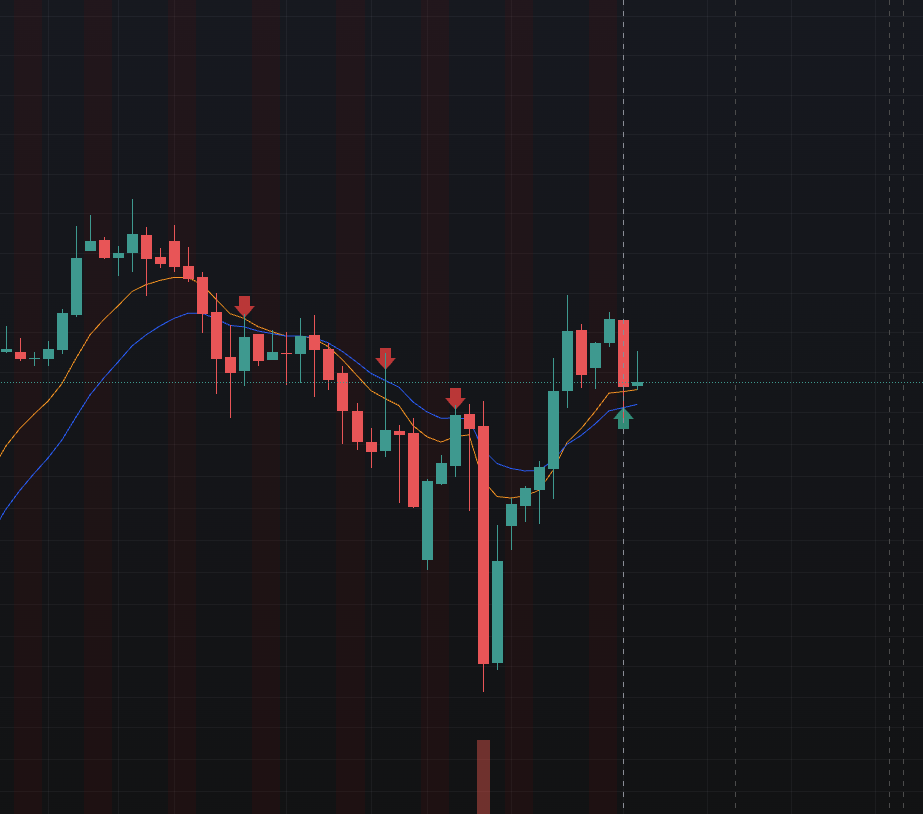
As institutional capital flows into Bitcoin, volatility has decreased markedly compared to earlier periods. This price stabilization makes Bitcoin more practical as both an investment asset and a medium of exchange. Large institutional positions require stable assets, and Bitcoin's increasingly stable price reflects its growing maturity as an asset class.
Global Cross-Border Transactions
Regulatory clarity has enabled Bitcoin to fulfill its original purpose: enabling efficient global transactions without intermediaries. International payments using Bitcoin now face fewer regulatory obstacles, making it increasingly attractive for cross-border commerce, particularly in remittances and international trade settlements.
Challenges and Considerations
Environmental Concerns
While regulatory progress has been significant, environmental concerns surrounding Bitcoin's proof-of-work consensus mechanism persist. However, the industry has made substantial strides in renewable energy adoption for mining operations. Many jurisdictions now require Bitcoin mining operations to use renewable energy sources, addressing this critical concern.
Monetary Policy Implications
Central banks remain cautious about Bitcoin's potential impact on monetary policy transmission mechanisms. Some central banks have begun developing digital currencies (CBDCs) partly in response to Bitcoin's emergence. Regulatory frameworks continue to evolve to address these macroeconomic considerations.
Taxation and Compliance
Despite regulatory progress, taxation and compliance requirements vary significantly across jurisdictions. Governments are still developing comprehensive tax frameworks for Bitcoin transactions and holdings, which remains an area of active regulatory evolution.
Looking Forward: What's Next?
Bitcoin's regulatory victories in 2026 suggest continued momentum toward mainstream adoption and integration into global financial systems. Expected developments include:
1. Central Bank Bitcoin Holdings (Speculative): While no major central banks have confirmed Bitcoin holdings as of 2026, some analysts speculate that central banks may eventually consider holding Bitcoin as part of their foreign exchange reserves, similar to how they hold traditional fiat currencies and gold. This remains a forward-looking possibility rather than a confirmed development.
2. Smart Contract Integration: Future regulatory frameworks may enable more sophisticated financial instruments built on Bitcoin's blockchain, expanding its utility beyond payments.
3. Interoperability Solutions: Regulatory approval for cross-chain solutions could enable seamless integration between Bitcoin and other blockchain ecosystems.
4. Corporate Treasury Adoption: More corporations may adopt Bitcoin as part of their treasury management strategies, similar to recent adoption by some major tech companies.
Conclusion
Bitcoin's regulatory victories in 2026 represent a paradigm shift in how the global financial system approaches cryptocurrencies. These achievements validate Bitcoin's potential as a legitimate financial asset while establishing frameworks that will shape the industry for years to come. The convergence of regulatory approval, institutional adoption, and technological maturation positions Bitcoin not merely as a speculative investment, but as an increasingly integral component of the modern financial infrastructure. As these trends continue to develop, stakeholders across finance, technology, and governance will need to adapt to a landscape where Bitcoin and blockchain technology are fundamental rather than peripheral.
Investment Disclaimer
This article is for informational and educational purposes only and should not be construed as financial, investment, or legal advice. Bitcoin and cryptocurrency investments carry substantial risk. Past performance is not indicative of future results. The regulatory landscape for cryptocurrencies continues to evolve and may change rapidly. Investors should conduct thorough research, consult with qualified financial and legal advisors, and only invest capital they can afford to lose. This article does not guarantee any returns, and neither the author nor Fedha Academy assumes liability for investment losses resulting from reliance on this information.