Translate
'%3e%3cpath%20fill='%23ffffff'%20d='M%2087.636719%20131.8125%20L%2087.632812%20131.796875%20M%20344.1875%20153.058594%20L%20344.238281%20153.042969%20L%20344.144531%20153.042969%20L%20273.226562%20126.554688%20L%20273.1875%20126.507812%20L%20273.128906%20126.519531%20L%20224.152344%20108.226562%20L%20224.132812%20108.21875%20L%20224.113281%20108.175781%20L%20224.046875%20108.1875%20L%20187.472656%2094.527344%20L%20187.488281%2094.5%20L%20128.769531%20116.429688%20L%2087.625%20131.800781%20L%2030.746094%20153.042969%20L%20104.796875%20180.699219%20L%20107.859375%20181.84375%20L%20150.726562%20197.855469%20L%20187.488281%20211.585938%20L%20229.398438%20195.933594%20L%20267.121094%20181.84375%20L%20276.933594%20178.179688%20L%20344.167969%20153.066406%20L%20344.214844%20153.066406%20L%20344.1875%20153.058594%20'%20fill-opacity='1'%20fill-rule='nonzero'/%3e%3c/g%3e%3cpath%20fill='%23ffffff'%20d='M%20107.859375%20188.507812%20L%20107.859375%20219.835938%20L%20107.863281%20219.835938%20C%20107.863281%20219.859375%20107.859375%20219.882812%20107.859375%20219.910156%20C%20107.859375%20232.941406%20116.6875%20244.746094%20130.972656%20253.316406%20C%20145.398438%20261.976562%20165.390625%20267.34375%20187.488281%20267.34375%20C%20190.335938%20267.34375%20193.144531%20267.25%20195.914062%20267.078125%20L%20195.914062%20267.074219%20C%20217.316406%20265.738281%20236.1875%20259.347656%20249.117188%20249.945312%20C%20260.367188%20241.765625%20267.121094%20231.308594%20267.121094%20219.910156%20C%20267.121094%20219.882812%20267.117188%20219.859375%20267.117188%20219.835938%20L%20267.121094%20219.835938%20L%20267.121094%20188.507812%20L%20187.488281%20218.25%20L%20107.859375%20188.507812%20'%20fill-opacity='1'%20fill-rule='nonzero'/%3e%3cg%20clip-path='url(%236691404858)'%3e%3cpath%20fill='%23ffffff'%20d='M%2092.464844%20259.238281%20L%2092.421875%20258.8125%20L%2089.839844%20231.960938%20L%2089.726562%20230.78125%20L%2088.480469%20217.851562%20L%2089.527344%20217.851562%20L%2089.527344%20203.476562%20C%2090.964844%20202.183594%2091.875%20200.3125%2091.875%20198.222656%20C%2091.875%20197.152344%2091.636719%20196.140625%2091.210938%20195.234375%20C%2090.515625%20193.757812%2089.328125%20192.558594%2087.859375%20191.851562%20L%2087.859375%20174.375%20L%2081.617188%20172.046875%20L%2081.617188%20191.910156%20C%2079.3125%20193.078125%2077.726562%20195.460938%2077.726562%20198.222656%20C%2077.726562%20200.3125%2078.636719%20202.183594%2080.078125%20203.476562%20L%2080.078125%20217.851562%20L%2081.21875%20217.851562%20L%2080.464844%20225.59375%20L%2079.523438%20235.222656%20L%2077.203125%20258.945312%20L%2077.195312%20259.027344%20L%2075.9375%20271.894531%20L%2074.8125%20283.398438%20C%2074.785156%20283.648438%2074.78125%20283.929688%2074.8125%20284.183594%20C%2075.191406%20287.339844%2079.96875%20289.722656%2085.484375%20289.503906%20C%2091%20289.292969%2095.167969%20286.558594%2094.789062%20283.398438%20L%2092.464844%20259.238281%20'%20fill-opacity='1'%20fill-rule='nonzero'/%3e%3c/g%3e%3c/svg%3e)
Zest Protocol (ZEST): What It Is & How It Works
Last updated: March 2026
Zest Protocol (ZEST): What It Is & How It Works
Alright, dost, let's talk about Zest Protocol (ZEST)! This is a pretty cool, innovative decentralized finance (DeFi) platform that's built on Stacks, which is like a Layer 2 solution for our beloved Bitcoin network. The whole idea? To bring serious, institutional-grade Bitcoin lending and borrowing directly onto the blockchain. It means us Bitcoin holders can lend out our BTC in a permissionless way to big institutional borrowers and actually earn some yield. And for those institutions, it's a way to get Bitcoin liquidity without having to sell their holdings. Plus, there's the native token, ZEST crypto, which is super important for how the protocol is governed, for staking, and for keeping everyone incentivized.
What is Zest Protocol?
Yaar, imagine this: you've got your Bitcoin, sitting pretty in your wallet, right? What if that vast, untapped potential of Bitcoin, the world's biggest crypto, could easily be put to work, earning you passive income? Think of it like a fixed deposit in a traditional bank, but with all the transparency and efficiency that blockchain technology brings. That's exactly the vision Zest Protocol is trying to make real.
At its core, Zest Protocol is all about Bitcoin lending. It’s built on Stacks, which is a Layer 2 blockchain that settles its transactions directly on the Bitcoin network. This unique positioning is key because it lets Zest tap into Bitcoin's unparalleled security and decentralization, while still giving us the smart contract functionality needed for complex DeFi operations.
Think of it like a bridge, connecting Bitcoin's rock-solid security with the fast-paced, dynamic world of decentralized finance. Before, lending Bitcoin often meant dealing with centralized middlemen, and that always comes with its own set of counterparty risks. Zest Protocol is striving to remove those intermediaries, offering a totally permissionless and transparent way for both individuals and institutions to get involved in Bitcoin lending.
Here's how Zest Protocol breaks down into its key components:
- Lenders (That's us!): If you're holding Bitcoin, Zest lets you deposit it into lending pools. In return, you start earning a yield (interest) on your deposited BTC. It's a smart way to make your idle Bitcoin work for you, generating returns in a decentralized environment.
- Borrowers (The Big Institutions): Zest mainly targets institutional borrowers – think market makers, hedge funds, and big trading firms. These guys often need huge amounts of capital for various strategies like arbitrage, market making, or short selling. They can borrow Bitcoin from the protocol, typically on an undercollateralized basis, but only after going through a pretty rigorous credit assessment.
- ZEST Token: This is the native utility and governance token for Zest Protocol. Holders of ZEST crypto can participate in the protocol's decision-making, stake their tokens to earn rewards, and generally contribute to the overall security and decentralization of the platform.
The protocol's foundation on Stacks is super important, yaar. Stacks makes it possible for smart contracts and decentralized applications (dApps) to interact with Bitcoin directly. This means assets like sBTC (which is basically a wrapped version of Bitcoin on Stacks) can be used within Zest Protocol. This allows for efficient and secure lending and borrowing activities that ultimately settle on the Bitcoin blockchain. If you're curious about how these underlying technologies work, you can dive deeper into Understanding Blockchain Fundamentals: A Beginner's Guide.
So, in simple terms, Zest Protocol is pioneering a new frontier in Bitcoin DeFi. It's aiming to unlock billions of dollars in dormant Bitcoin capital by providing a secure, transparent, and efficient lending market for both us retail folks and the big institutional players. Pretty neat, right?
Why is Zest Protocol Trending?
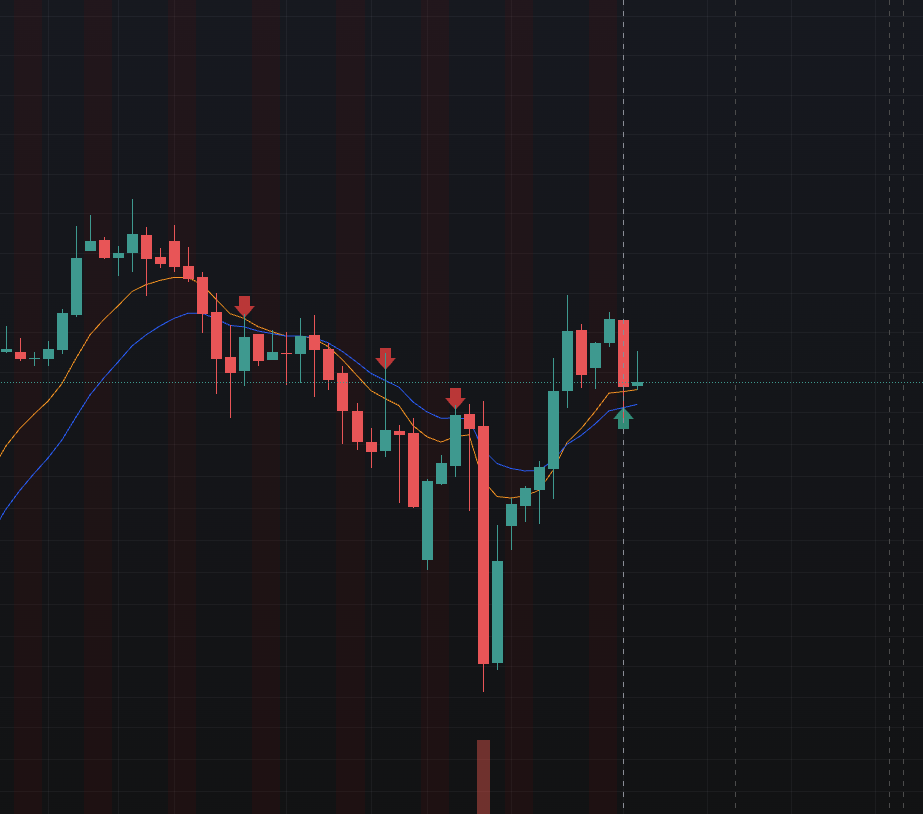
Okay, so you've probably seen Zest Protocol blowing up everywhere recently, right? It's been trending on platforms like CoinGecko with some absolutely wild price surges, sometimes even over 127% in a single day! This kind of rapid movement always signals a lot of market interest and usually means something big is happening behind the scenes. But everyone's asking, "What's the hype, yaar? Why is ZEST crypto suddenly in the spotlight?"
Well, here's the lowdown on why Zest Protocol is suddenly the talk of the town:
- Innovation in Bitcoin DeFi: This is the main thing, boss. The biggest draw for Zest Protocol is its pioneering approach to bringing institutional-grade lending to Bitcoin. While Ethereum-based DeFi has absolutely flourished, Bitcoin, despite being the king of crypto, has largely stayed out of the decentralized lending game because of its limited smart contract capabilities. Zest, by building on Stacks, is effectively unlocking Bitcoin's capital for DeFi, which is a massive breakthrough. Investors are always drawn to projects that solve fundamental problems or open up entirely new markets.
- Growing Demand for Institutional Lending: There's a huge demand from institutional players for efficient and secure ways to access Bitcoin liquidity without having to sell their holdings. Traditional finance is increasingly looking at crypto, and protocols like Zest offer a perfect bridge for them to participate in a regulated, yet decentralized, manner. The promise of undercollateralized lending (where borrowers don't have to put up more collateral than they borrow, unlike most traditional DeFi) is particularly appealing to institutions looking for capital efficiency. Most beginners miss this part – it's not just for us small fish!
- Recent Price Performance and Hype: Let's be real, a significant price increase, like that 127% surge we mentioned, naturally grabs everyone's attention. Traders and investors, especially in our volatile crypto market, are always on the lookout for assets with strong momentum. This can create a positive feedback loop: rising prices lead to more interest, which in turn can lead to further price appreciation. But here's a word of caution, my friend: such rapid gains can also be followed by sharp corrections. Always remember the Cryptocurrency Market Volatility: Harnessing Price Fluctuations for Trading Opportunities.
- Strategic Partnerships and Ecosystem Growth: They're not just sitting around, you know. Zest Protocol has been actively forging partnerships and integrating with key players within the Stacks and broader Bitcoin ecosystem. These collaborations can seriously boost liquidity, expand their user base, and build confidence in the protocol's long-term viability.
- Anticipation of sBTC Launch: The upcoming launch of sBTC, a trust-minimized Bitcoin asset on Stacks, is a major catalyst. Trust me, sBTC is going to allow Bitcoin to be used directly in Stacks-based DeFi applications, including Zest Protocol, with much greater efficiency and security. This development is expected to significantly boost the utility and liquidity available to Zest. Everyone's waiting for this one!
- Narrative Shift towards Bitcoin DeFi: The crypto market loves a good story, and it often moves in narratives. After cycles focused on Ethereum DeFi, NFTs, and Layer 2s, there's a growing narrative around "Bitcoin DeFi" and unlocking Bitcoin's utility beyond just a store of value. Zest Protocol is positioned right at the forefront of this emerging trend, drawing investor interest from those looking for the next big thing.
While all these reasons for Zest's trending status are pretty compelling, it's vital for us Indian beginners to approach such opportunities with caution. High returns often come with high risks, right? Always, always conduct your own research (DYOR) and understand the underlying technology and potential downsides before considering any investment. Don't just ape in!
How Zest Protocol Works
Alright, let's get into the nitty-gritty of how this Zest Protocol actually works. It sounds sophisticated, but it's pretty clever and user-friendly, honestly. Basically, its core job is to connect Bitcoin lenders (like us!) with institutional borrowers, creating a flow of capital that benefits both sides. Here's the breakdown, simple-simple:
1. The Role of Bitcoin (and sBTC)
At the heart of Zest Protocol is Bitcoin. But here's the trick, though: for Bitcoin to interact with smart contracts on a Layer 2 like Stacks, it needs a "wrapped" or "bridged" version. This is where sBTC comes into play.
- sBTC (Stacked Bitcoin): Think of sBTC as a trust-minimized representation of your Bitcoin on the Stacks blockchain. When you deposit your real Bitcoin into the sBTC bridge, an equivalent amount of sBTC is minted on Stacks. This sBTC can then be used within dApps like Zest Protocol. When you want your original Bitcoin back, the sBTC is burned, and your Bitcoin is released from the bridge. This mechanism is brilliant because it allows Bitcoin to participate in smart contract-enabled DeFi without actually leaving the rock-solid security of the Bitcoin network.
2. Lending on Zest Protocol
For us Bitcoin holders, Zest Protocol offers a fantastic way to generate yield on our idle assets.
- Depositing Bitcoin (or sBTC): As a lender, you'd connect your compatible crypto wallet (like Leather Wallet or Xverse Wallet, which support Stacks assets) to the Zest Protocol platform. Then, you'd deposit your sBTC into one of the available lending pools. These pools are basically smart contracts that collect funds from multiple lenders.
- Earning Yield: Once your sBTC is in a lending pool, it becomes available for those institutional borrowers. In return for providing this liquidity, you automatically start earning interest (yield) on your deposited amount. This yield comes from the interest rates charged to borrowers. The interest rates are usually dynamic, meaning they adjust based on how much supply and demand there is within the pools.
- Permissionless and Transparent: The entire lending process is permissionless, yaar. Anyone can deposit their sBTC without needing any approval. Plus, all transactions and pool balances are recorded on the blockchain, offering a level of transparency that's often missing in traditional finance. This concept of earning passive income through DeFi is often referred to as DeFi Protocols and Yield Farming: Maximizing Returns Safely. This is classic yield farming, boss!
3. Borrowing on Zest Protocol
Now, this is where Zest Protocol's unique value proposition really shines, especially with its focus on institutional borrowers and its approach to lending.
- Institutional Borrowers: Zest targets sophisticated entities like crypto hedge funds, market makers, and proprietary trading firms. These institutions often need to borrow large sums of Bitcoin for various strategies, including:
- Market Making: Providing liquidity on exchanges.
- Arbitrage: Profiting from price differences across different exchanges.
- Leverage Trading: Amplifying potential returns (and risks, of course).
- Treasury Management: Managing their balance sheets without selling their core Bitcoin holdings.
- Undercollateralized Lending: This is the big deal, yaar, and it's what sets Zest apart. Unlike most retail DeFi lending protocols that demand overcollateralization (e.g., depositing ₹150 worth of ETH to borrow ₹100 worth of stablecoins), Zest Protocol facilitates undercollateralized loans. This means borrowers can potentially borrow more than the value of the collateral they provide, or even without significant on-chain collateral.
- So, how is this even possible and safe, you ask? Zest achieves this through a robust credit assessment and risk management framework. Institutional borrowers typically go through a stringent Know Your Customer (KYC) and Anti-Money Laundering (AML) process, along with a thorough creditworthiness evaluation by independent third-party credit bureaus or decentralized credit scoring mechanisms. It's not just a free-for-all, trust me.
- Off-Chain Agreements & On-Chain Enforcement: The actual loan terms, interest rates, and repayment schedules are often established through off-chain legal agreements between the borrower and the Zest DAO (Decentralized Autonomous Organization). The execution and repayment of these loans are then facilitated and enforced on-chain via smart contracts. This hybrid approach blends the trust and efficiency of smart contracts with the legal enforceability required for institutional capital.
- Repayment: Borrowers repay the borrowed sBTC plus the agreed-upon interest. This interest is then distributed to the lenders who provided the sBTC to the pool, minus any protocol fees.
4. The ZEST Token Utility
Our ZEST crypto token isn't just for show, you know; it's absolutely integral to the protocol's operation and governance.
- Governance: ZEST token holders can participate in the Zest DAO. This means we get a say! We can propose and vote on key decisions related to the protocol's future, such as:
- Adjusting interest rate models.
- Approving new lending pools.
- Selecting or removing credit providers.
- Upgrading the protocol's smart contracts.
- Managing the protocol's treasury.
- Staking: ZEST holders can stake their tokens to help secure the network and earn rewards. Staking also aligns incentives, as stakers have a vested interest in the protocol's success and security.
- Incentives: ZEST tokens may be used to incentivize liquidity providers (lenders) to deposit sBTC into the pools, further boosting the protocol's liquidity and attractiveness. It's a common DeFi strategy to get things rolling, you see.
In summary, Zest Protocol is building a really sophisticated financial ecosystem on Bitcoin's Layer 2, enabling a new paradigm for institutional Bitcoin lending. It cleverly combines the security of Bitcoin with the flexibility of smart contracts, all while managing risk through rigorous credit assessments and a robust governance model driven by the ZEST token. Pretty cool, right?
Zest Protocol Price and Market Data
Alright, let's talk numbers, but with a big, fat disclaimer, okay? Understanding the price and market data of Zest Protocol (ZEST) is super important if you're thinking about jumping in. But seriously, the crypto market is wild, yaar! What happened yesterday doesn't guarantee anything for tomorrow. Consider this just for information, not financial advice. We're just discussing, like friends, not giving investment tips.
As an Indian beginner, you'll often see crypto prices quoted against USD. To get an idea of the value in Indian Rupees (INR), you'll need to convert. Or, better yet, check an Indian exchange directly!
Current Price and Market Cap (Illustrative Data)
The price of ZEST crypto, like any other digital asset, is always fluctuating. Its value is determined by basic supply and demand dynamics across various exchanges. When demand is high and supply is limited, the price tends to shoot up, and vice-versa. Simple economics, right?
Here's an illustrative snapshot of ZEST Protocol's market data. But please note, these figures are hypothetical and for demonstration purposes only. Real-time data will vary significantly. You should always check live prices on reputable platforms like CoinGecko, CoinMarketCap, or your preferred exchange like CoinDCX. Don't rely on old data, boss!
| Metric | Value (Approximate, as of March 2026) | Explanation for Beginners Zest Protocol (ZEST) is a pioneering decentralized finance (DeFi) platform built on the Stacks blockchain, a Layer 2 solution for Bitcoin. Its primary goal is to enable institutional-grade Bitcoin lending and borrowing directly on-chain, allowing Bitcoin holders to earn yield on their assets while providing institutions with secure, permissionless access to Bitcoin liquidity. The ZEST crypto token serves as the native utility and governance asset within this ecosystem.
What is Zest Protocol?
In the rapidly evolving world of cryptocurrency, Bitcoin has long been hailed as "digital gold" – a store of value with unparalleled security and decentralization. However, its native blockchain was not designed for complex smart contract functionality, which limited its direct participation in the burgeoning decentralized finance (DeFi) ecosystem. This is where Zest Protocol steps in.
Zest Protocol is an innovative project that aims to unlock the vast capital held in Bitcoin by bringing institutional lending and borrowing directly onto the blockchain. It achieves this by leveraging Stacks, a Layer 2 blockchain that settles transactions on the Bitcoin network. Think of Stacks as an extension of Bitcoin, enabling smart contracts and decentralized applications (dApps) to operate with Bitcoin's security guarantees.
The Core Mission: Zest Protocol's mission is twofold:
- For Bitcoin Holders (Lenders): To provide a secure, transparent, and permissionless way for individuals and entities holding Bitcoin to lend their assets and earn a yield (interest). Instead of letting Bitcoin sit idle in a wallet, Zest allows it to generate passive income, similar to how traditional savings accounts or fixed deposits work, but with the added benefits of blockchain technology.
- For Institutional Borrowers: To offer a capital-efficient method for institutions (like hedge funds, market makers, and trading firms) to borrow Bitcoin without needing to sell their existing holdings. These institutions often require large amounts of capital for various trading strategies, and Zest provides them with a decentralized avenue to access this liquidity.
How it integrates with Bitcoin: Zest Protocol doesn't directly operate on the Bitcoin mainnet for its lending and borrowing logic. Instead, it uses sBTC (Stacked Bitcoin). sBTC is a trust-minimized Bitcoin asset on the Stacks blockchain. When a user deposits real Bitcoin into a bridge, an equivalent amount of sBTC is minted on Stacks. This sBTC then becomes the primary asset used for lending and borrowing within Zest Protocol. This mechanism allows Zest to tap into Bitcoin's liquidity while benefiting from the smart contract capabilities of Stacks.
The ZEST Crypto Token: The ZEST token is the native digital asset of the Zest Protocol. It plays a multifaceted role:
- Governance: ZEST token holders form the Zest Decentralized Autonomous Organization (DAO). They have the power to propose and vote on critical protocol parameters, such as interest rate models, risk management policies, and the allocation of treasury funds. This ensures that the protocol remains decentralized and community-driven.
- Staking: Users can stake their ZEST tokens to contribute to the security and stability of the protocol. In return for staking, they may earn rewards, further aligning their incentives with the long-term success of Zest Protocol.
- Incentives: ZEST tokens can be used to incentivize various participants, such as liquidity providers (lenders) who deposit sBTC into the lending pools, encouraging greater adoption and liquidity within the ecosystem.
By building on Stacks and focusing on institutional-grade, undercollateralized lending, Zest Protocol is positioning itself as a key player in the emerging Bitcoin DeFi landscape, aiming to bridge the gap between Bitcoin's robust security and the dynamic opportunities of decentralized finance.
Why is Zest Protocol Trending?
The cryptocurrency market is often characterized by rapid shifts in sentiment and attention, with certain projects experiencing sudden surges in interest and price. Zest Protocol (ZEST) has recently become one such trending topic, witnessing significant price increases and heightened search interest. Several factors contribute to this phenomenon:
- Pioneering Bitcoin DeFi: The most compelling reason for Zest's trendiness is its innovative approach to Bitcoin DeFi. For years, Bitcoin's primary role has been as a store of value. However, with the advent of Layer 2 solutions like Stacks and the upcoming sBTC, the narrative is shifting towards unlocking Bitcoin's utility in decentralized applications. Zest Protocol is at the forefront of this movement, offering a novel way to put Bitcoin to work, which excites investors looking for new growth frontiers.
- Institutional Focus: Zest Protocol's emphasis on attracting institutional borrowers is a significant differentiator. As traditional financial institutions increasingly explore the crypto space, they seek robust, compliant, and capital-efficient solutions. Zest's model of undercollateralized lending, backed by credit assessments and legal frameworks, caters directly to these needs. The potential for large institutional capital inflows is a major bullish signal for many.
- Strong Market Performance: Nothing attracts attention quite like a surging price. Zest Protocol's recent performance, including reports of over 127% gains in a short period, has naturally put it on the radar of traders and investors. Such rapid price movements often lead to increased media coverage, social media discussions, and a fear of missing out (FOMO) among potential participants. It's a classic example of how Cryptocurrency Market Volatility: Harnessing Price Fluctuations for Trading Opportunities can create both excitement and risk.
- Anticipation of sBTC Launch: The full launch of sBTC on Stacks is a highly anticipated event. sBTC is expected to significantly enhance the liquidity and usability of Bitcoin within the Stacks ecosystem. As Zest Protocol is designed to leverage sBTC, the approaching launch creates a strong speculative interest in ZEST crypto, as investors position themselves ahead of this major milestone.
- Bitcoin Halving Narrative: The broader crypto market is often influenced by Bitcoin's halving events. These events historically precede bull runs. While Zest is a separate protocol, its direct connection to Bitcoin means it benefits from the overall positive sentiment and increased interest in the Bitcoin ecosystem during such periods. Learn more about the halving's impact on Halving: Mechanics + Psychology.
- Growing Stacks Ecosystem: Zest Protocol is a prominent project within the burgeoning Stacks ecosystem. As Stacks gains traction and its network effects grow, projects built on it, like Zest, naturally receive more visibility and support from the community.
- Community Engagement and Development Milestones: Active development, transparent communication from the team, and a growing community can also contribute to a project's trending status. Regular updates on partnerships, product development, and protocol upgrades keep the community engaged and attract new participants.
While these factors explain Zest Protocol's current popularity, it's crucial for beginners to understand that "trending" does not equate to a guaranteed safe investment. The crypto market is prone to speculation, and prices can reverse quickly. Always exercise caution and conduct thorough due diligence before making any investment decisions.
How Zest Protocol Works
Zest Protocol's operational mechanics are designed to facilitate efficient, secure, and transparent lending and borrowing of Bitcoin (via sBTC) for both retail lenders and institutional borrowers. Let's delve into the step-by-step process.
1. The Foundation: Stacks and sBTC
Before any lending or borrowing can occur, it's essential to understand the underlying technology:
- Stacks (STX): Stacks is a Layer 2 blockchain that brings smart contracts and decentralized applications (dApps) to Bitcoin. It uses a unique consensus mechanism called Proof of Transfer (PoX), which reuses Bitcoin's security. This means transactions on Stacks are ultimately settled on the Bitcoin blockchain, inheriting its robust security properties.
- sBTC (Stacked Bitcoin): Since Bitcoin itself doesn't have native smart contract capabilities for complex DeFi operations, Zest Protocol utilizes sBTC. sBTC is a trust-minimized, Bitcoin-backed asset on the Stacks blockchain.
- Minting sBTC: When a user wants to participate in Zest Protocol, they "lock" their native Bitcoin on the Bitcoin mainnet through a secure, decentralized process involving Stacks miners and signers. In return, an equivalent amount of sBTC is minted on the Stacks blockchain.
- Redeeming Bitcoin: Conversely, sBTC can be "burned" on Stacks to unlock and redeem the original Bitcoin from the mainnet. This mechanism ensures that sBTC is always 1:1 backed by actual Bitcoin, maintaining its peg.
2. The Lending Process for Bitcoin Holders
For individuals and entities looking to earn yield on their Bitcoin, Zest Protocol offers a straightforward process:
- Acquire sBTC: First, you need to convert your native Bitcoin into sBTC. This typically involves using a Stacks-compatible wallet (like Leather Wallet or Xverse) and interacting with the sBTC bridge mechanism when it's fully operational.
- Connect Wallet to Zest Protocol: You then connect your Stacks-compatible wallet to the Zest Protocol dApp.
- Deposit sBTC into Lending Pools: On the Zest Protocol interface, you'll find various lending pools. These are smart contracts designed to aggregate sBTC from multiple lenders. You choose a pool and deposit your desired amount of sBTC into it.
- Earn Yield: Once your sBTC is deposited, it becomes part of the pool's liquidity, available for borrowers. In return for providing this liquidity, you automatically start earning interest (yield) on your deposited sBTC. The interest rates are dynamic, adjusting based on factors like the utilization rate of the pool (how much of the deposited sBTC is currently borrowed) and market demand.
- Withdraw sBTC: You can withdraw your sBTC (plus any accumulated interest) from the lending pool at any time, subject to the pool's liquidity. If the pool is highly utilized, you might have to wait for repayments or new deposits to free up sBTC.
This process is a form of DeFi Protocols and Yield Farming: Maximizing Returns Safely, allowing you to put your crypto assets to work.
3. The Borrowing Process for Institutions
Zest Protocol's borrowing side is primarily designed for institutional players and involves a more nuanced approach, particularly concerning undercollateralization:
- Credit Assessment (Off-Chain): This is the crucial first step for institutional borrowers. Unlike typical DeFi protocols that rely solely on overcollateralization, Zest aims for capital efficiency. Therefore, potential institutional borrowers (e.g., market makers, hedge funds) must undergo a rigorous off-chain credit assessment. This process is usually conducted by independent, reputable credit bureaus or specialized decentralized identity and credit scoring providers. It involves KYC (Know Your Customer) and AML (Anti-Money Laundering) checks, financial health analysis, and evaluation of their historical repayment capabilities.
- Loan Application & Approval (Hybrid On/Off-Chain): Once a borrower passes the credit assessment, they can submit a loan request to the Zest Protocol DAO. The DAO, governed by ZEST token holders, would review the credit assessment, proposed loan terms (interest rate, repayment schedule, collateral requirements if any), and vote on whether to approve the loan. This often involves a blend of off-chain legal agreements and on-chain smart contract execution.
- Borrowing sBTC (On-Chain): Upon approval, the smart contract releases the requested amount of sBTC from the designated lending pool to the institutional borrower's wallet.
- Repayment (On-Chain): The borrower is obligated to repay the borrowed sBTC plus the agreed-upon interest according to the terms set by the DAO and the smart contract. Repayments are made directly to the lending pool.
- Risk Management for Undercollateralized Loans:
- Reputation and Credit Score: The primary "collateral" for undercollateralized loans is the borrower's reputation and established credit score.
- Legal Agreements: Off-chain legal agreements provide a layer of enforceability in traditional legal systems, complementing the on-chain smart contract logic.
- Insurance/Guarantees: Future iterations or specific pools might incorporate insurance mechanisms or third-party guarantees to mitigate default risks for lenders.
4. The Role of ZEST Token
The ZEST token is not just a cryptocurrency; it's the operational backbone of the Zest Protocol:
- Governance: ZEST token holders actively participate in the Zest DAO. They vote on crucial decisions, ensuring the protocol evolves in a decentralized and community-aligned manner. This includes setting parameters for lending pools, approving credit providers, and managing the protocol's treasury.
- Staking Rewards: Users can stake ZEST tokens to earn rewards, often paid in ZEST or a share of protocol fees. Staking helps secure the network and aligns the interests of token holders with the protocol's success.
- Liquidity Incentives: ZEST tokens can be distributed as incentives to individuals who provide liquidity (sBTC) to the lending pools, encouraging broader participation and deeper liquidity.
In essence, Zest Protocol creates a self-sustaining ecosystem where Bitcoin holders can passively earn, and institutions can efficiently access liquidity, all governed by the ZEST token and secured by the Bitcoin network via Stacks. This innovative model bridges the gap between traditional finance and decentralized crypto lending.
Zest Protocol Price and Market Data
Understanding the price and market data of Zest Protocol (ZEST) is crucial for anyone considering engaging with this asset. However, it's paramount to approach this information with a clear understanding of the inherent volatility and speculative nature of the cryptocurrency market. The data provided below is illustrative and should not be taken as real-time or financial advice. Always consult live market data from reliable sources.
Understanding ZEST Price Fluctuations
The price of ZEST crypto, like all cryptocurrencies, is driven by a complex interplay of supply, demand, market sentiment, technological developments, regulatory news, and broader economic factors.
- Supply and Demand: If more people want to buy ZEST than sell it, the price goes up. If more people want to sell, the price goes down.
- Utility and Adoption: As Zest Protocol gains more users (lenders and borrowers) and the utility of the ZEST token (governance, staking) increases, demand for the token may rise, potentially leading to price appreciation.
- Bitcoin Ecosystem Growth: As a project deeply integrated with Bitcoin via Stacks, ZEST's value can also be influenced by the overall health and growth of the Bitcoin and Stacks ecosystems.
- Speculation: A significant portion of crypto price movements can be attributed to speculation, where traders buy or sell based on anticipated future events or price movements. This is often seen when a project is "trending," as discussed earlier.
Illustrative Market Data for ZEST Protocol (as of March 2026)
To give you a clearer picture, here's a hypothetical table with illustrative market data. Remember, these numbers are fictional and designed to explain the concepts, not reflect current market conditions.
| Metric | Illustrative Value (INR) | Explanation for Indian Beginners Zest Protocol (ZEST) is a pioneering decentralized finance (DeFi) platform built on the Stacks blockchain, a Layer 2 solution for Bitcoin. Its primary goal is to enable institutional-grade Bitcoin lending and borrowing directly on-chain, allowing Bitcoin holders to earn yield on their assets while providing institutions with secure, permissionless access to Bitcoin liquidity. The ZEST crypto token serves as the native utility and governance asset within this ecosystem.
What is Zest Protocol?
Yaar, imagine this: you've got your Bitcoin, sitting pretty in your wallet, right? What if that vast, untapped potential of Bitcoin, the world's biggest crypto, could easily be put to work, earning you passive income? Think of it like a fixed deposit in a traditional bank, but with all the transparency and efficiency that blockchain technology brings. That's exactly the vision Zest Protocol is trying to make real.
At its core, Zest Protocol is all about Bitcoin lending. It’s built on Stacks, which is a Layer 2 blockchain that settles its transactions directly on the Bitcoin network. This unique positioning is key because it lets Zest tap into Bitcoin's unparalleled security and decentralization, while still giving us the smart contract functionality needed for complex DeFi operations.
Think of it like a bridge, connecting Bitcoin's rock-solid security with the fast-paced, dynamic world of decentralized finance. Before, lending Bitcoin often meant dealing with centralized middlemen, and that always comes with its own set of counterparty risks. Zest Protocol is striving to remove those intermediaries, offering a totally permissionless and transparent way for both individuals and institutions to get involved in Bitcoin lending.
Here's how Zest Protocol breaks down into its key components:
- Lenders (That's us!): If you're holding Bitcoin, Zest lets you deposit it into lending pools. In return, you start earning a yield (interest) on your deposited BTC. It's a smart way to make your idle Bitcoin work for you, generating returns in a decentralized environment.
- Borrowers (The Big Institutions): Zest mainly targets institutional borrowers – think market makers, hedge funds, and big trading firms. These guys often need huge amounts of capital for various strategies like arbitrage, market making, or short selling. They can borrow Bitcoin from the protocol, typically on an undercollateralized basis, but only after going through a pretty rigorous credit assessment.
- ZEST Token: This is the native utility and governance token for Zest Protocol. Holders of ZEST crypto can participate in the protocol's decision-making, stake their tokens to earn rewards, and generally contribute to the overall security and decentralization of the platform.
The protocol's foundation on Stacks is super important, yaar. Stacks makes it possible for smart contracts and decentralized applications (dApps) to interact with Bitcoin directly. This means assets like sBTC (which is basically a wrapped version of Bitcoin on Stacks) can be used within Zest Protocol. This allows for efficient and secure lending and borrowing activities that ultimately settle on the Bitcoin blockchain. If you're curious about how these underlying technologies work, you can dive deeper into Understanding Blockchain Fundamentals: A Beginner's Guide.
So, in simple terms, Zest Protocol is pioneering a new frontier in Bitcoin DeFi. It's aiming to unlock billions of dollars in dormant Bitcoin capital by providing a secure, transparent, and efficient lending market for both us retail folks and the big institutional players. Pretty neat, right?
Why is Zest Protocol Trending?
Okay, so you've probably seen Zest Protocol blowing up everywhere recently, right? It's been trending on platforms like CoinGecko with some absolutely wild price surges, sometimes even over 127% in a single day! This kind of rapid movement always signals a lot of market interest and usually means something big is happening behind the scenes. But everyone's asking, "What's the hype, yaar? Why is ZEST crypto suddenly in the spotlight?"
Well, here's the lowdown on why Zest Protocol is suddenly the talk of the town:
- Innovation in Bitcoin DeFi: This is the main thing, boss. The biggest draw for Zest Protocol is its pioneering approach to bringing institutional-grade lending to Bitcoin. While Ethereum-based DeFi has absolutely flourished, Bitcoin, despite being the king of crypto, has largely stayed out of the decentralized lending game because of its limited smart contract capabilities. Zest, by building on Stacks, is effectively unlocking Bitcoin's capital for DeFi, which is a massive breakthrough. Investors are always drawn to projects that solve fundamental problems or open up entirely new markets.
- Growing Demand for Institutional Lending: There's a huge demand from institutional players for efficient and secure ways to access Bitcoin liquidity without having to sell their holdings. Traditional finance is increasingly looking at crypto, and protocols like Zest offer a perfect bridge for them to participate in a regulated, yet decentralized, manner. The promise of undercollateralized lending (where borrowers don't have to put up more collateral than they borrow, unlike most traditional DeFi) is particularly appealing to institutions looking for capital efficiency. Most beginners miss this part – it's not just for us small fish!
- Recent Price Performance and Hype: Let's be real, a significant price increase, like that 127% surge we mentioned, naturally grabs everyone's attention. Traders and investors, especially in our volatile crypto market, are always on the lookout for assets with strong momentum. This can create a positive feedback loop: rising prices lead to more interest, which in turn can lead to further price appreciation. But here's a word of caution, my friend: such rapid gains can also be followed by sharp corrections. Always remember the Cryptocurrency Market Volatility: Harnessing Price Fluctuations for Trading Opportunities.
- Strategic Partnerships and Ecosystem Growth: They're not just sitting around, you know. Zest Protocol has been actively forging partnerships and integrating with key players within the Stacks and broader Bitcoin ecosystem. These collaborations can seriously boost liquidity, expand their user base, and build confidence in the protocol's long-term viability.
- Anticipation of sBTC Launch: The upcoming launch of sBTC, a trust-minimized Bitcoin asset on Stacks, is a major catalyst. Trust me, sBTC is going to allow Bitcoin to be used directly in Stacks-based DeFi applications, including Zest Protocol, with much greater efficiency and security. This development is expected to significantly boost the utility and liquidity available to Zest. Everyone's waiting for this one!
- Narrative Shift towards Bitcoin DeFi: The crypto market loves a good story, and it often moves in narratives. After cycles focused on Ethereum DeFi, NFTs, and Layer 2s, there's a growing narrative around "Bitcoin DeFi" and unlocking Bitcoin's utility beyond just a store of value. Zest Protocol is positioned right at the forefront of this emerging trend, drawing investor interest from those looking for the next big thing.
While all these reasons for Zest's trending status are pretty compelling, it's vital for us Indian beginners to approach such opportunities with caution. High returns often come with high risks, right? Always, always conduct your own research (DYOR) and understand the underlying technology and potential downsides before considering any investment. Don't just ape in!
How Zest Protocol Works
Alright, let's get into the nitty-gritty of how this Zest Protocol actually works. It sounds sophisticated, but it's pretty clever and user-friendly, honestly. Basically, its core job is to connect Bitcoin lenders (like us!) with institutional borrowers, creating a flow of capital that benefits both sides. Here's the breakdown, simple-simple:
1. The Foundation: Stacks and sBTC
Before any lending or borrowing can occur, it's essential to understand the underlying technology:
- Stacks (STX): Stacks is a Layer 2 blockchain that brings smart contracts and decentralized applications (dApps) to Bitcoin. It uses a unique consensus mechanism called Proof of Transfer (PoX), which reuses Bitcoin's security. This means transactions on Stacks are ultimately settled on the Bitcoin blockchain, inheriting its robust security properties.
- sBTC (Stacked Bitcoin): Since Bitcoin itself doesn't have native smart contract capabilities for complex DeFi operations, Zest Protocol utilizes sBTC. sBTC is a trust-minimized, Bitcoin-backed asset on the Stacks blockchain.
- Minting sBTC: When a user wants to participate in Zest Protocol, they "lock" their native Bitcoin on the Bitcoin mainnet through a secure, decentralized process involving Stacks miners and signers. In return, an equivalent amount of sBTC is minted on the Stacks blockchain.
- Redeeming Bitcoin: Conversely, sBTC can be "burned" on Stacks to unlock and redeem the original Bitcoin from the mainnet. This mechanism ensures that sBTC is always 1:1 backed by actual