Author
    PK

    Prashant Kumar Sahu

    0followers
    14articles
    15upvotes
    since February 2026
    What Is a CME Gap in Bitcoin?

    What Is a CME Gap in Bitcoin?

    A CME gap is a price gap on Bitcoin futures charts caused by the CME exchange closing while Bitcoin continues to trade. Traders watch these gaps closely because Bitcoin often revisits them, making CME gaps a popular reference for short-term market analysis.

    How to Earn from Funding Rates

    How to Earn from Funding Rates

    Funding rates allow traders to earn passive income in crypto by positioning on the side that receives payments in perpetual futures markets. This article explains how funding rates work, how traders profit from them, and the risks involved in funding rate strategies.

    The 1.1 Million BTC Ghost: Who Really Controls Satoshi’s Fortune?

    The 1.1 Million BTC Ghost: Who Really Controls Satoshi’s Fortune?

    One person holds 5.5% of all Bitcoin in existence—and they haven't touched it in 15 years. Is Satoshi Nakamoto a ghost, a genius, or a ticking time bomb for the global economy? Dive into the mystery of the 1.1 million BTC fortune that could change everything.

    What Is Gas Fee in Crypto?

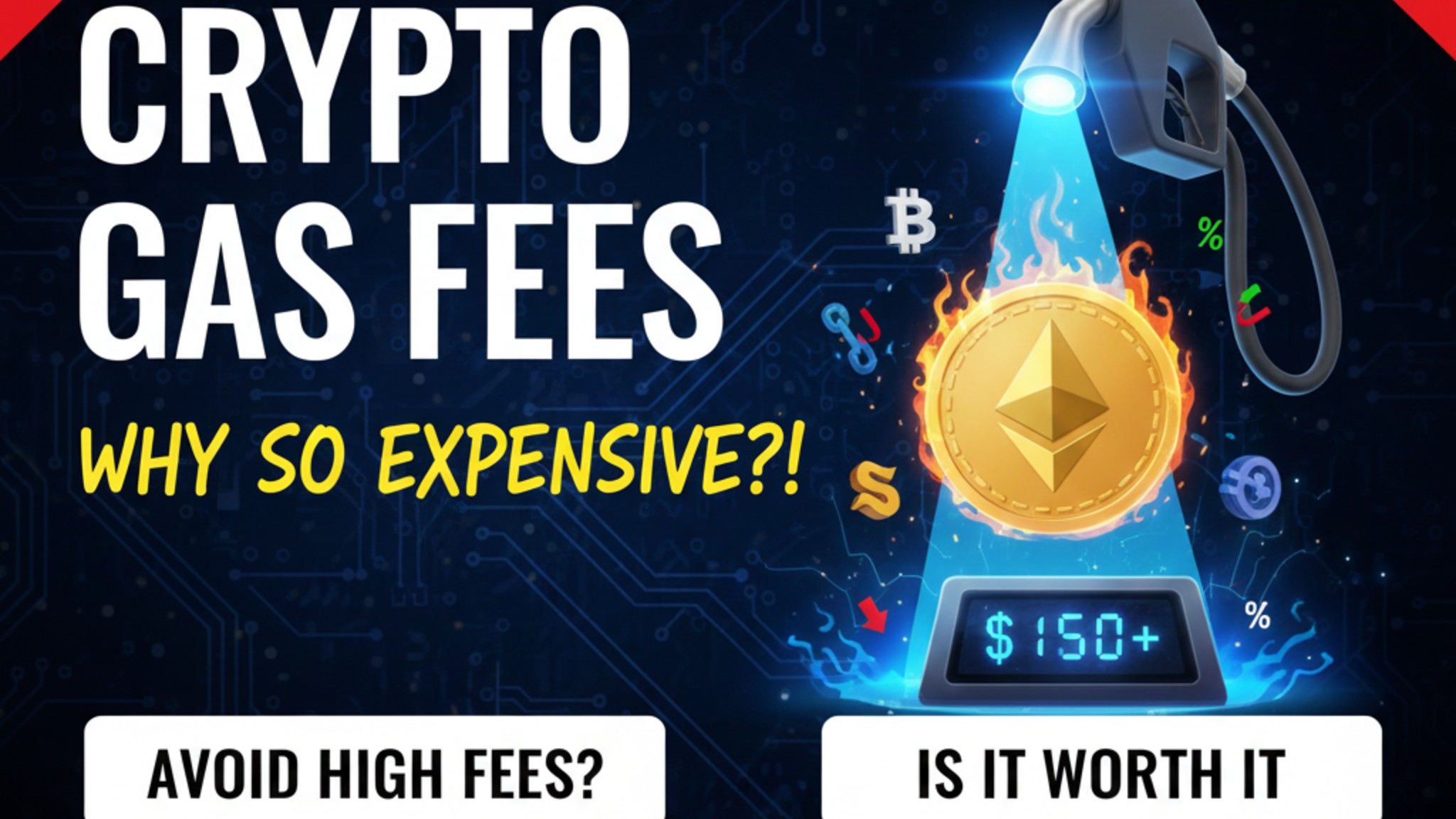
    What Is Gas Fee in Crypto?

    Gas fees are the costs users pay to process transactions and run smart contracts on a blockchain. This article explains what gas fees are, why they exist, and why they rise and fall, helping users better understand the real cost of using crypto networks.

    Bitcoin ETFs and Their Impact on Crypto Markets

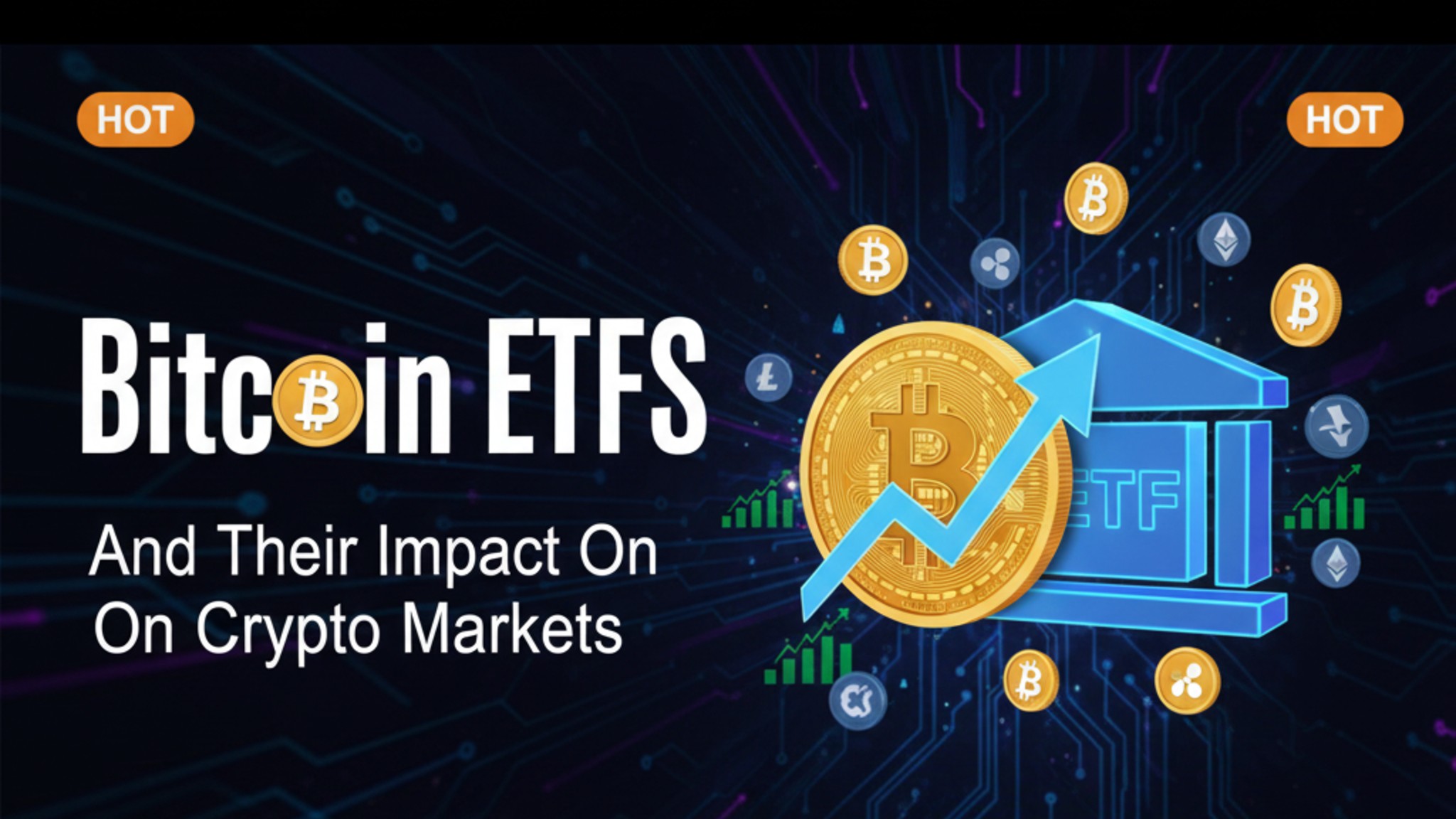
    Bitcoin ETFs and Their Impact on Crypto Markets

    Bitcoin ETFs allow investors to gain exposure to Bitcoin through traditional markets. This article explores how ETFs impact market sentiment, liquidity, institutional adoption, and the evolving relationship between crypto and traditional finance.

    How bitcoin can be saved from Quantum Computers

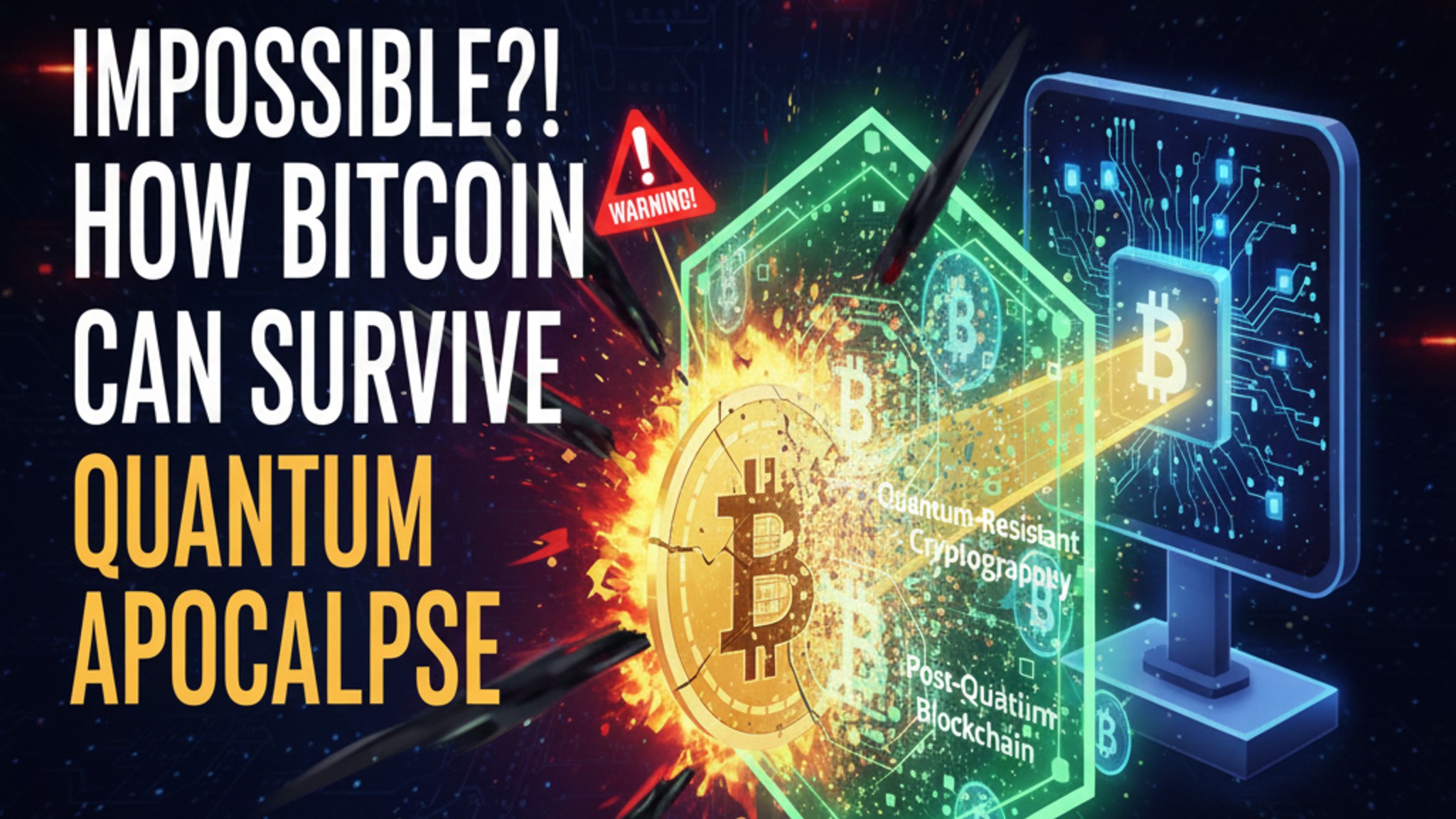
    How bitcoin can be saved from Quantum Computers

    Quantum computers pose a long-term challenge to Bitcoin’s cryptography, but not an immediate threat. This article explains how Bitcoin can adapt through quantum-resistant upgrades, safer wallet practices, and community-driven protocol changes to remain secure in the future.

    How Quantum Computers Could Destroy Bitcoin

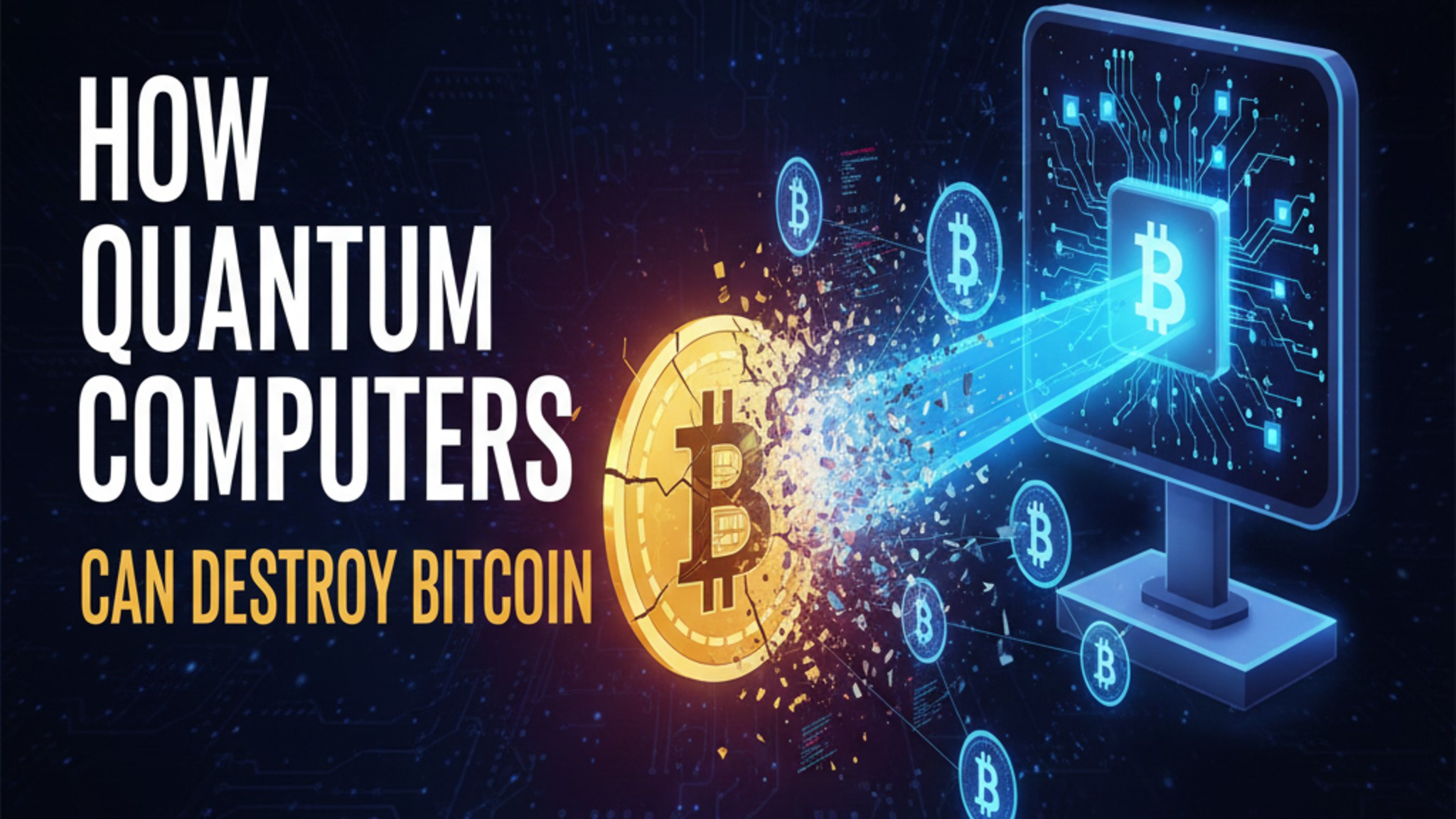
    How Quantum Computers Could Destroy Bitcoin

    Quantum computers are often said to threaten Bitcoin’s security, but the reality is more complex. This article explains how quantum computing could affect Bitcoin, why the risk is long-term, and how Bitcoin can adapt to future technological changes.

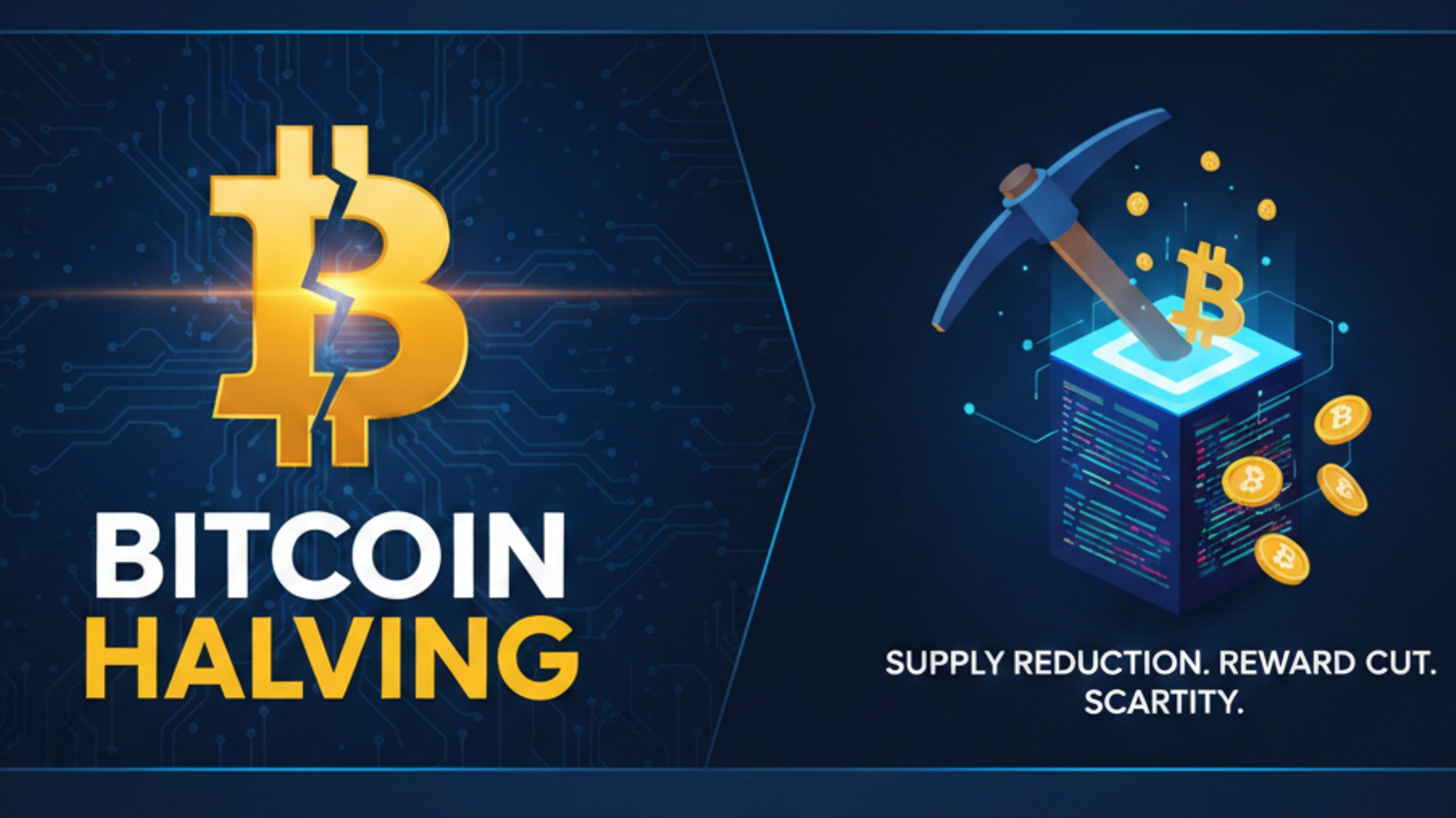
    What Is Bitcoin Halving?

    What Is Bitcoin Halving?

    Bitcoin halving is a scheduled event that cuts miner rewards in half, reducing the rate of new bitcoin creation. This article explains how halving works, why it matters, and its long-term impact on Bitcoin’s supply and market dynamics.

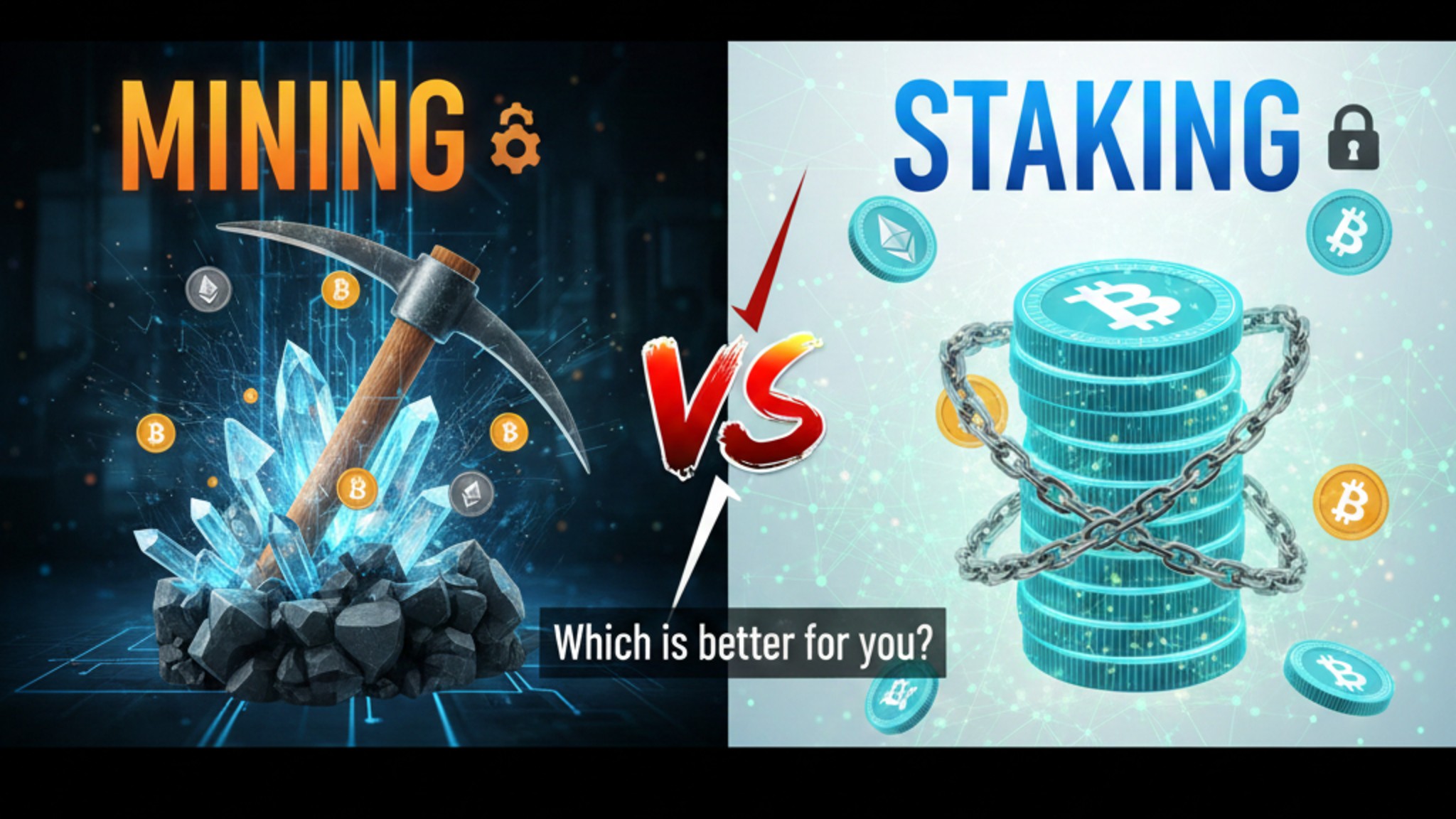
    What Is Mining vs Staking?

    What Is Mining vs Staking?

    Mining and staking are two ways blockchain networks validate transactions and stay secure. This article explains how each works, their differences, and why both play an important role in the crypto ecosystem.

    Crypto Regulations in India: An Overview

    Crypto Regulations in India: An Overview

    Crypto regulations in India focus on oversight rather than prohibition. This article explains the legal status of cryptocurrencies, taxation rules, government intent, and what evolving regulations mean for Indian investors and users.

    What are Stablecoins?

    What are Stablecoins?

    Stablecoins are cryptocurrencies designed to maintain a stable value, usually pegged to the US dollar. This article explains how USDT, USDC, and other stablecoins work, why they matter, and the role they play in making crypto more usable and less volatile.

    What Is IDO (Initial DEX Offering) ?

    What Is IDO (Initial DEX Offering) ?

    An IDO (Initial DEX Offering) is a decentralized method of launching new crypto tokens through a decentralized exchange, allowing investors to buy tokens early via smart contracts with immediate liquidity and minimal intermediaries.