Articleby ABHISHEK RAO
Mastering Crypto Risk Management in 2026
3 min read8 January 202648 reads
Mastering Crypto Risk Management in 2026
As we navigate 2026, the cryptocurrency market continues to offer immense opportunities alongside significant risks. Extreme volatility, evolving regulations, hacking threats, and market manipulations can erode gains quickly. Effective risk management isn't about eliminating risk—it's about controlling it to ensure long-term survival and profitability. This guide outlines essential strategies to protect your capital in the dynamic crypto landscape.

1. Diversification: Spread the Risk
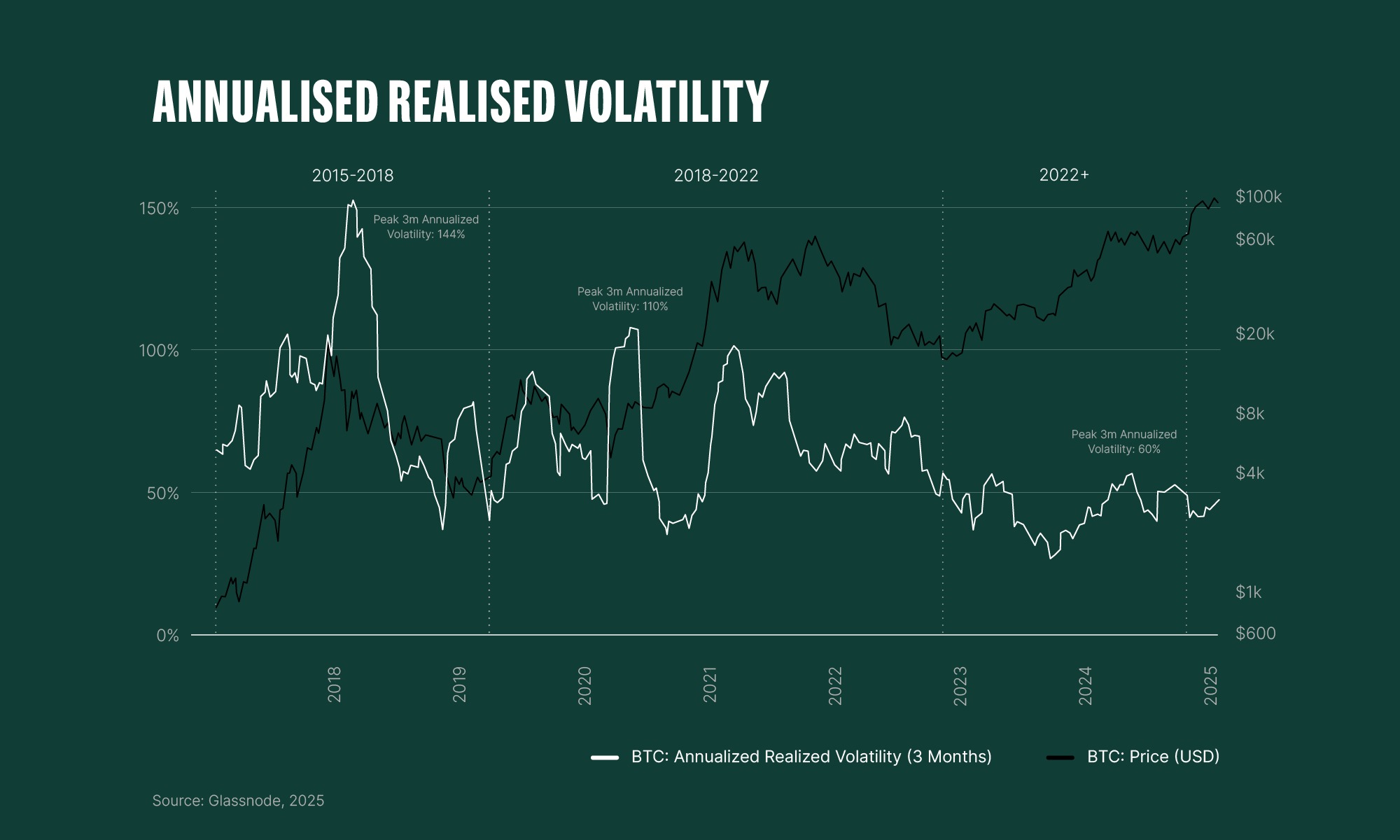
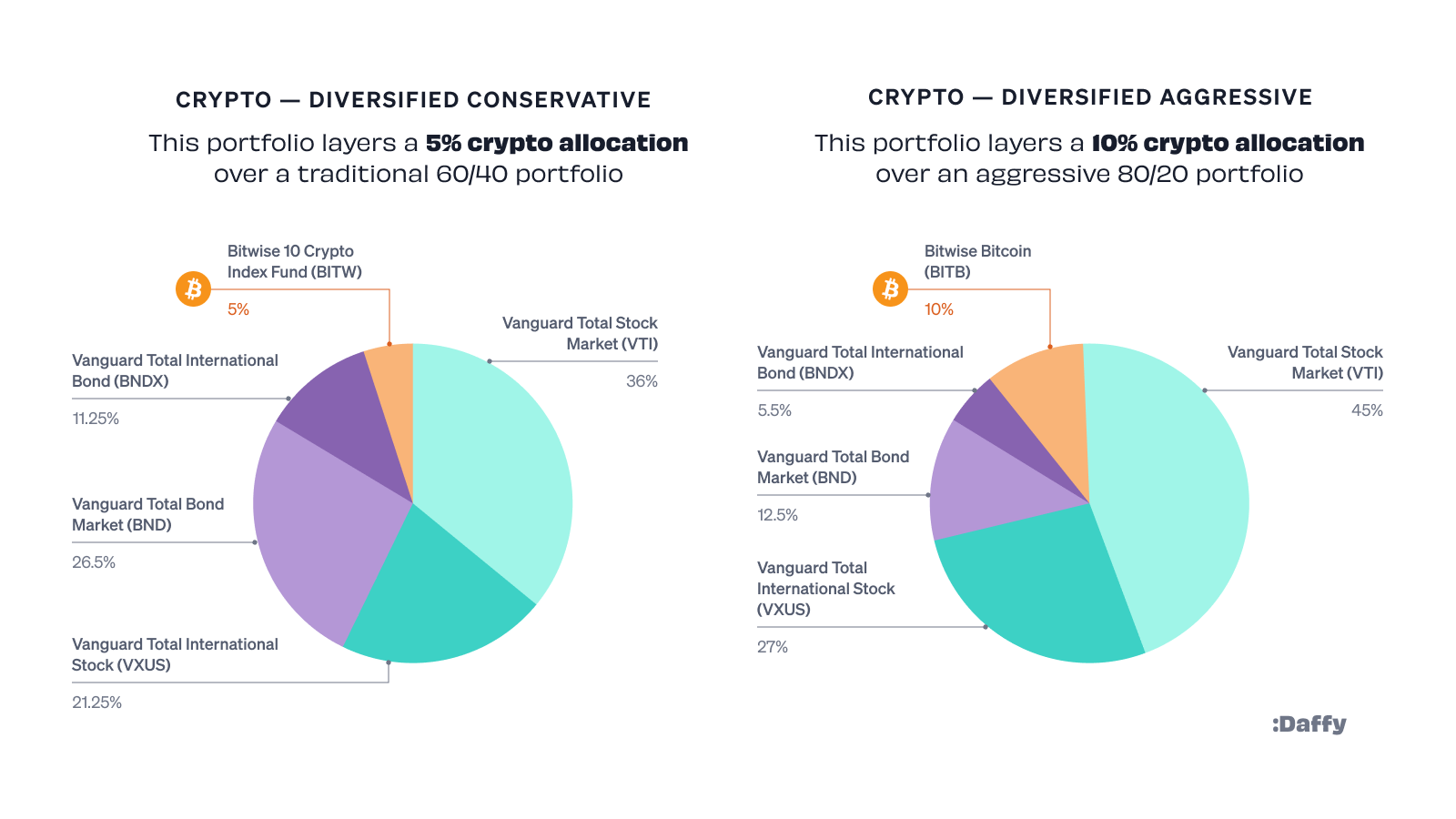
One of the foundational rules is diversification. Avoid concentrating your portfolio in a single asset like Bitcoin or a trending altcoin. Instead, allocate across various categories: established coins (BTC, ETH), layer-1 and layer-2 solutions, DeFi tokens, stablecoins, and even real-world assets (RWAs) tokenized on blockchain.
A balanced portfolio might include 40-50% in Bitcoin as a store of value, 20-30% in Ethereum for smart contracts, and the rest in diversified altcoins or sectors. Include stablecoins like USDT or USDC for liquidity during downturns. This approach mitigates the impact of any one project failing or a sector crashing.
Learn More About Crypto Investment Options & DAFs
2. Position Sizing and the 1% Rule
Emotional trading often leads to oversized bets. Adopt the 1-2% rule: never risk more than 1-2% of your total portfolio on a single trade. For a $100,000 portfolio, that's a maximum $1,000-2,000 risk per position.
Calculate position size based on your entry price and stop-loss level. Formula: Position Size = (Account Risk Amount) / (Entry Price - Stop-Loss Price). This preserves capital through losing streaks, allowing you to stay in the game.
3. Stop-Loss and Take-Profit Orders
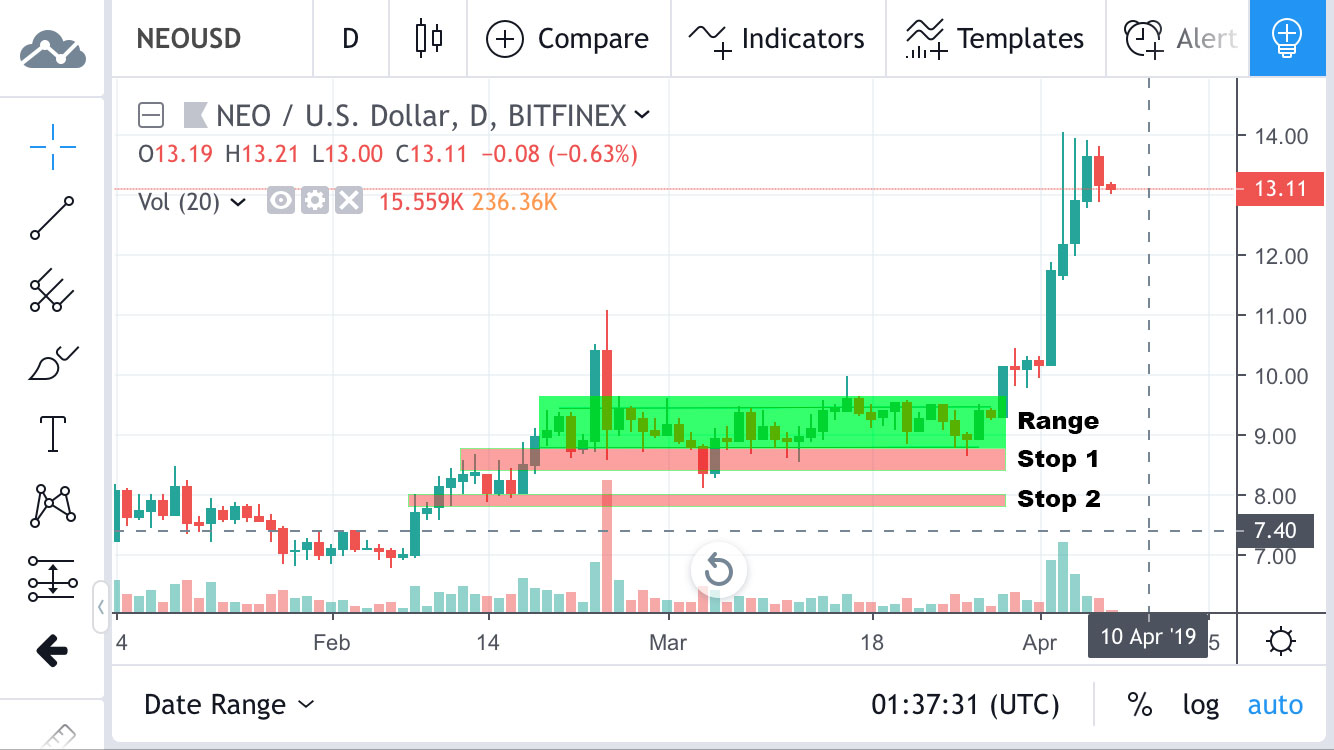
Volatility demands automated discipline. Use stop-loss orders to exit losing trades automatically (e.g., 10-20% below entry) and take-profit to secure gains (e.g., at 2-3x risk-reward ratio).
Trailing stops lock in profits during uptrends while giving room for growth. On exchanges like Binance or Coinbase, bracket orders combine stop-loss and take-profit for efficient execution.
Using Stops and Trailing Stops
4. Asset Security and Custody
Hacks and exchange failures remain prevalent. Never store significant holdings on centralized exchanges. Use hardware wallets (e.g., Ledger, Trezor) for cold storage—offline devices that keep private keys secure.
Enable two-factor authentication (2FA), use unique passwords, and beware of phishing. Self-custody mantra: "Not your keys, not your crypto."
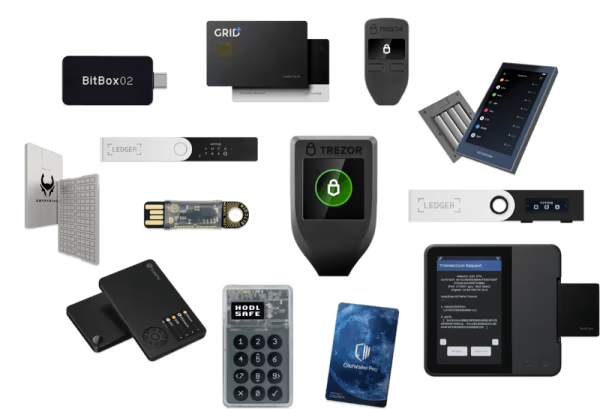
Hardware Wallet Secure Element: The Complete Guide – CoolWallet
5. Hedging, Leverage Caution, and Ongoing Education
In bearish or uncertain periods, hedge with perpetual futures, options, or inverse ETFs. Avoid high leverage (over 5x), as it amplifies losses in volatile markets.
Stay informed via on-chain analytics (Glassnode, Dune), regulatory updates, and sentiment tools. Rebalance periodically and maintain a trading journal.
Risk management separates survivors from the wrecked. Prioritize capital preservation over chasing moonshots. With discipline, you'll weather storms and capture crypto's upside.