Market-Maker'sby Adarsh Pal
How are Market-Maker's
2 min read9 January 202668 reads
Written by

1 follower
Who Are Market Makers and How Do They Work?
Every active crypto market depends on liquidity. Without enough buyers and sellers, prices become unstable, spreads widen, and trading becomes expensive. This is where market makers play a critical role.
Market makers continuously provide buy and sell orders to ensure smooth trading, tighter spreads, and faster execution. They are essential for healthy and efficient crypto markets.
What Is a Market Maker?
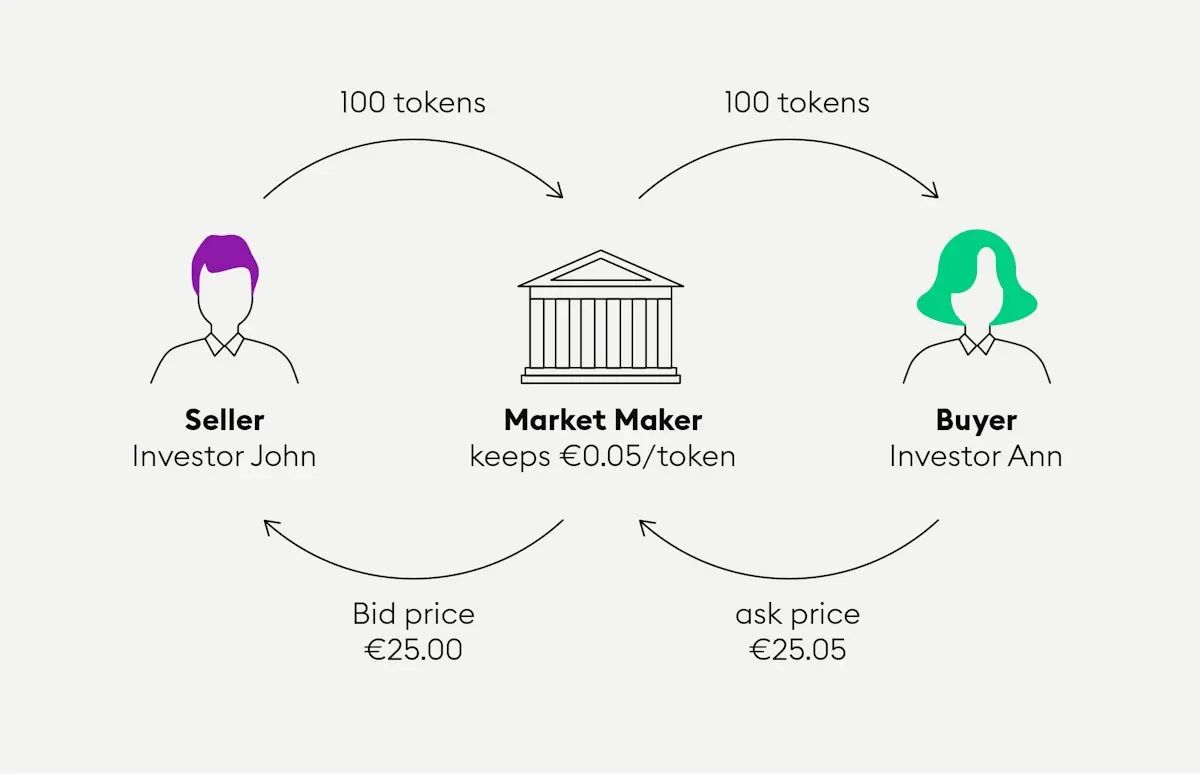
A market maker is a trader, firm, or automated system that places both buy (bid) and sell (ask) orders for an asset at the same time. Their goal is to keep liquidity available so that other traders can enter and exit positions easily.
Market makers profit from the small difference between the buying price and selling price, known as the spread.
How Market Makers Work
Market makers place limit orders on both sides of the order book. When a trader buys, the market maker sells. When a trader sells, the market maker buys.
This continuous activity keeps the market active and prevents price gaps. Advanced algorithms automatically adjust prices based on supply, demand, volatility, and market conditions.
Why Market Makers Are Important
Market makers provide several benefits:
Improve liquidity
Reduce bid-ask spread
Enable faster trade execution
Stabilize price movement
Support fair price discovery
Without market makers, low-volume markets would experience extreme volatility and slippage.
Market Makers in Crypto vs Traditional Markets
In traditional markets, market makers are regulated financial institutions. In crypto markets, market makers can be professional firms, exchanges themselves, or algorithmic traders operating globally.
Crypto market making operates 24/7 and adapts rapidly to changing liquidity and volatility conditions.
Market Makers vs Liquidity Providers
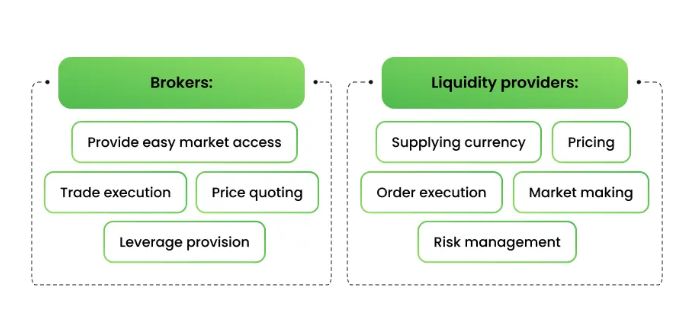
Market makers actively manage spreads and inventory. Liquidity providers supply capital to order books or liquidity pools but may not actively adjust prices.
Both roles support market efficiency.
Risks Market Makers Face
Market makers face risks including:
Sudden price volatility
Inventory imbalance
Market manipulation
Technology failures
Regulatory uncertainty
Strong risk management and automation are essential.
How Market Makers Affect Retail Traders
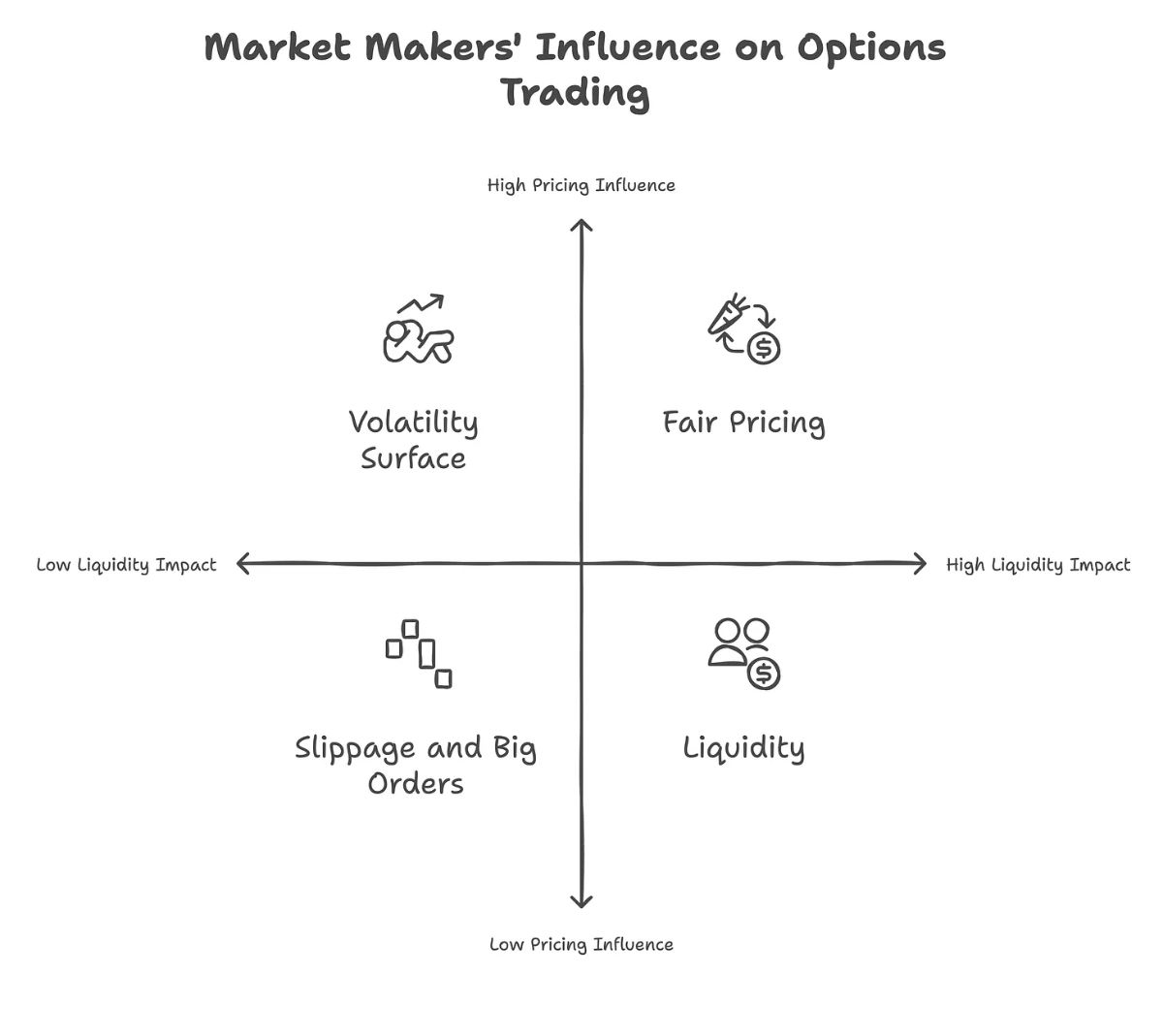
Retail traders benefit from tighter spreads, lower slippage, and faster execution. However, market makers may also influence short-term price movements through liquidity control.
Understanding their role helps traders avoid misinterpreting market behavior.
Conclusion
Market makers are the backbone of liquid crypto markets. They create stability, improve efficiency, and enable seamless trading for all participants. Healthy markets depend heavily on their continuous presence.
In next article you will understand "Importance of CPI Data's ".
Stay tuned !!