Articleby ABHISHEK RAO
Dollar-Cost Averaging (DCA): A Proven Crypto Investment Strategy for Long-Term Success
3 min read8 January 202628 reads
Dollar-Cost Averaging (DCA): A Proven Crypto Investment Strategy for Long-Term Success
In the volatile world of cryptocurrency, where prices can swing dramatically in short periods, finding a reliable investment strategy is crucial. One of the most effective and beginner-friendly approaches is Dollar-Cost Averaging (DCA). This strategy involves investing a fixed amount of money into a cryptocurrency at regular intervals, regardless of its price. As of January 2026, with Bitcoin trading around $92,000–$94,000 after a corrective 2025, DCA remains a top choice for mitigating risk and building wealth over time.


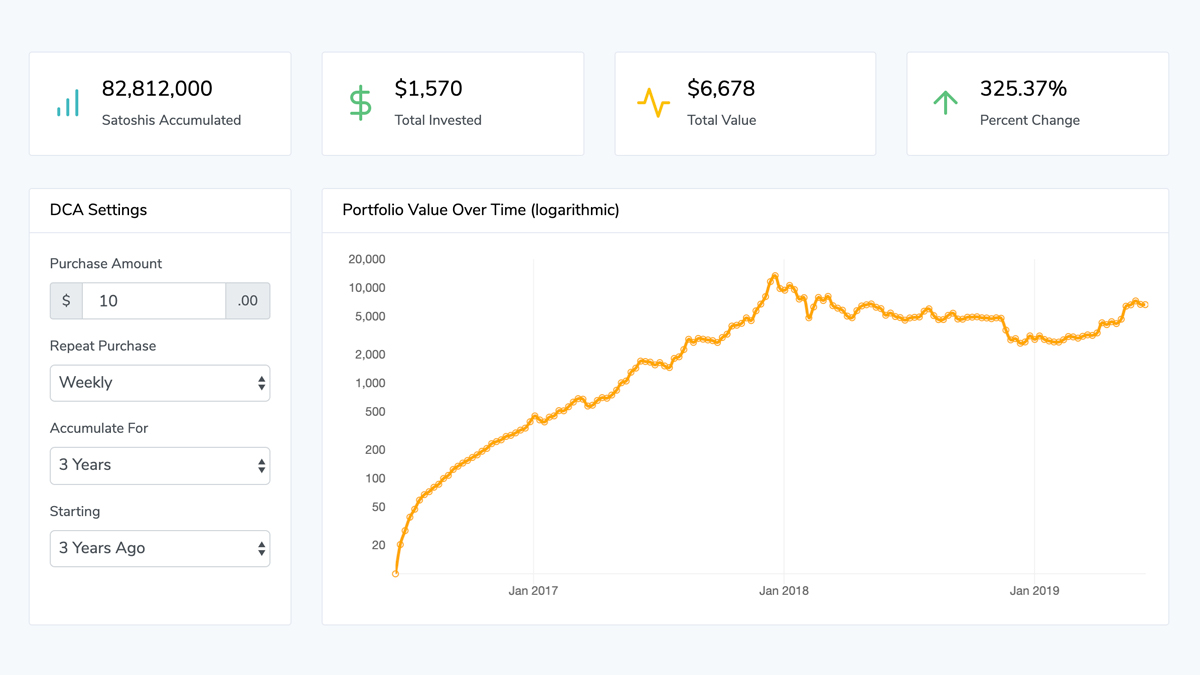
These charts illustrate how DCA smooths out purchases over volatile periods, often leading to a lower average cost per coin.
What Is Dollar-Cost Averaging?
DCA is a disciplined investment technique originating from traditional finance but perfectly suited to crypto's high volatility. Instead of trying to "time the market" by buying low and selling high—which even professionals struggle with—you commit to buying a set dollar amount (e.g., $100 weekly) on a schedule.
When prices are high: You buy fewer coins.
When prices are low: You buy more coins.
Over time, this averages out your purchase price, reducing the impact of short-term dips.
Historical data shows DCA outperforms lump-sum investing in many volatile scenarios. For Bitcoin, consistent DCA since its early days has turned modest investments into significant holdings, even for those who started during peaks.

Why DCA Works Well in Crypto
Cryptocurrencies like Bitcoin and Ethereum are known for extreme price cycles, influenced by halvings, regulatory news, and macroeconomics. Bitcoin's history includes multiple 80%+ drawdowns followed by new all-time highs.
Reduces Emotional Decision-Making: No FOMO (fear of missing out) during rallies or panic selling in crashes.
Lowers Average Cost: You accumulate more during bear markets, positioning for bull runs.
Historical Performance: Backtests show that monthly DCA into Bitcoin from 2017 onward has delivered strong returns, often beating attempts to time entries. In 2025's correction, DCA buyers accumulated at lower averages than lump-sum investors at 2024 peaks.
Combining DCA with HODLing (long-term holding) amplifies results. Bitcoin's halving cycles have historically driven multi-year bull markets, rewarding patient investors.

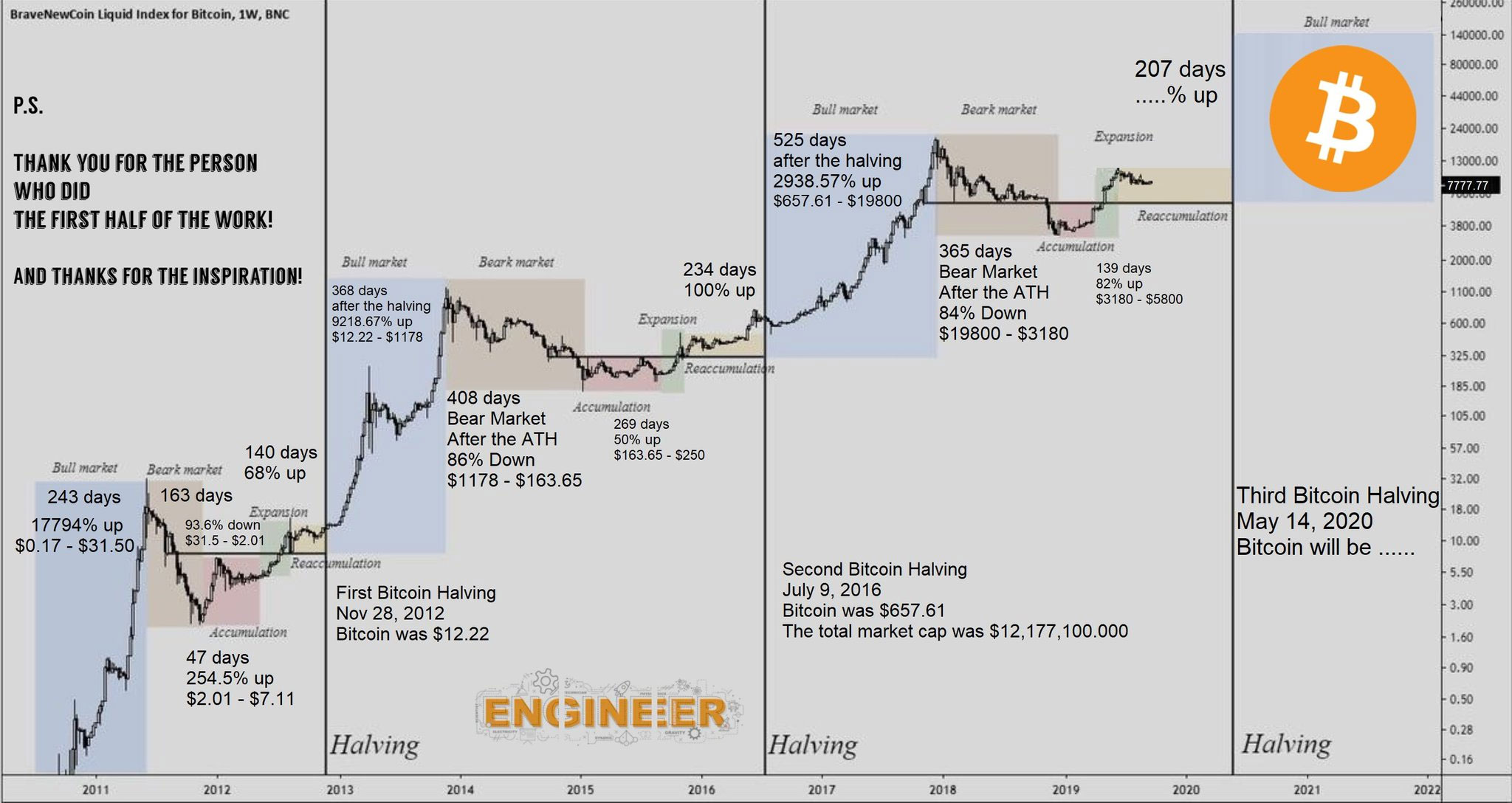

These historical charts highlight price surges post-halving, underscoring why long-term holders (HODLers) benefit from DCA.
How to Implement DCA Effectively in 2026
Choose Your Asset: Focus on established cryptos like Bitcoin (digital gold) or Ethereum (DeFi leader) for lower risk.
Set a Budget: Invest only what you can afford to lose—e.g., 1-5% of your portfolio.
Pick Intervals: Weekly or monthly via automated buys on exchanges like Binance, Kraken, or Coinbase.
Use Tools: Many platforms offer recurring buy features. Track with calculators like dcabtc.com.
Stay Consistent: Ignore short-term noise; 2026 may see volatility from regulations or ETF flows, but long-term trends favor adoption.
Risks and Considerations
DCA isn't foolproof—if an asset trends downward long-term, you could still lose money. Crypto remains high-risk; diversify and never invest borrowed funds. Past performance (e.g., Bitcoin's rise despite crashes) doesn't guarantee future results.
In a maturing market with institutional inflows and strategic reserves, DCA offers a low-stress path to participation. As Warren Buffett-inspired advice goes: If you don't want to research deeply, just average in consistently.
For many in 2026, DCA into Bitcoin isn't just a strategy—it's a smart way to navigate uncertainty while positioning for potential growth. Start small, stay patient, and let time do the work.