'%3e%3cpath%20fill='%23ffffff'%20d='M%2087.636719%20131.8125%20L%2087.632812%20131.796875%20M%20344.1875%20153.058594%20L%20344.238281%20153.042969%20L%20344.144531%20153.042969%20L%20273.226562%20126.554688%20L%20273.1875%20126.507812%20L%20273.128906%20126.519531%20L%20224.152344%20108.226562%20L%20224.132812%20108.21875%20L%20224.113281%20108.175781%20L%20224.046875%20108.1875%20L%20187.472656%2094.527344%20L%20187.488281%2094.5%20L%20128.769531%20116.429688%20L%2087.625%20131.800781%20L%2030.746094%20153.042969%20L%20104.796875%20180.699219%20L%20107.859375%20181.84375%20L%20150.726562%20197.855469%20L%20187.488281%20211.585938%20L%20229.398438%20195.933594%20L%20267.121094%20181.84375%20L%20276.933594%20178.179688%20L%20344.167969%20153.066406%20L%20344.214844%20153.066406%20L%20344.1875%20153.058594%20'%20fill-opacity='1'%20fill-rule='nonzero'/%3e%3c/g%3e%3cpath%20fill='%23ffffff'%20d='M%20107.859375%20188.507812%20L%20107.859375%20219.835938%20L%20107.863281%20219.835938%20C%20107.863281%20219.859375%20107.859375%20219.882812%20107.859375%20219.910156%20C%20107.859375%20232.941406%20116.6875%20244.746094%20130.972656%20253.316406%20C%20145.398438%20261.976562%20165.390625%20267.34375%20187.488281%20267.34375%20C%20190.335938%20267.34375%20193.144531%20267.25%20195.914062%20267.078125%20L%20195.914062%20267.074219%20C%20217.316406%20265.738281%20236.1875%20259.347656%20249.117188%20249.945312%20C%20260.367188%20241.765625%20267.121094%20231.308594%20267.121094%20219.910156%20C%20267.121094%20219.882812%20267.117188%20219.859375%20267.117188%20219.835938%20L%20267.121094%20219.835938%20L%20267.121094%20188.507812%20L%20187.488281%20218.25%20L%20107.859375%20188.507812%20'%20fill-opacity='1'%20fill-rule='nonzero'/%3e%3cg%20clip-path='url(%236691404858)'%3e%3cpath%20fill='%23ffffff'%20d='M%2092.464844%20259.238281%20L%2092.421875%20258.8125%20L%2089.839844%20231.960938%20L%2089.726562%20230.78125%20L%2088.480469%20217.851562%20L%2089.527344%20217.851562%20L%2089.527344%20203.476562%20C%2090.964844%20202.183594%2091.875%20200.3125%2091.875%20198.222656%20C%2091.875%20197.152344%2091.636719%20196.140625%2091.210938%20195.234375%20C%2090.515625%20193.757812%2089.328125%20192.558594%2087.859375%20191.851562%20L%2087.859375%20174.375%20L%2081.617188%20172.046875%20L%2081.617188%20191.910156%20C%2079.3125%20193.078125%2077.726562%20195.460938%2077.726562%20198.222656%20C%2077.726562%20200.3125%2078.636719%20202.183594%2080.078125%20203.476562%20L%2080.078125%20217.851562%20L%2081.21875%20217.851562%20L%2080.464844%20225.59375%20L%2079.523438%20235.222656%20L%2077.203125%20258.945312%20L%2077.195312%20259.027344%20L%2075.9375%20271.894531%20L%2074.8125%20283.398438%20C%2074.785156%20283.648438%2074.78125%20283.929688%2074.8125%20284.183594%20C%2075.191406%20287.339844%2079.96875%20289.722656%2085.484375%20289.503906%20C%2091%20289.292969%2095.167969%20286.558594%2094.789062%20283.398438%20L%2092.464844%20259.238281%20'%20fill-opacity='1'%20fill-rule='nonzero'/%3e%3c/g%3e%3c/svg%3e)
Tokenomics: How Crypto Economics Works

Tokenomics: How Crypto Economics Works
Behind every successful cryptocurrency lies a well-designed economic system known as tokenomics. Tokenomics defines how a digital token is created, distributed, used, and sustained over time. Just like traditional economics shapes national currencies and markets, tokenomics shapes the value and behavior of crypto ecosystems.
Understanding tokenomics helps investors evaluate project sustainability, price potential, and long-term viability beyond short-term hype.
What Is Tokenomics?
Tokenomics combines the words “token” and “economics.” It refers to the rules and incentives that govern a cryptocurrency’s supply, demand, distribution, and utility.
A project’s tokenomics determines how tokens enter circulation, who receives them, how they are used, and what motivates users to hold or spend them.
Token Supply and Distribution
Supply is one of the most critical factors affecting price.
Total supply defines the maximum number of tokens that will ever exist.
Circulating supply represents tokens currently available in the market.
Emission schedule controls how fast new tokens are released.
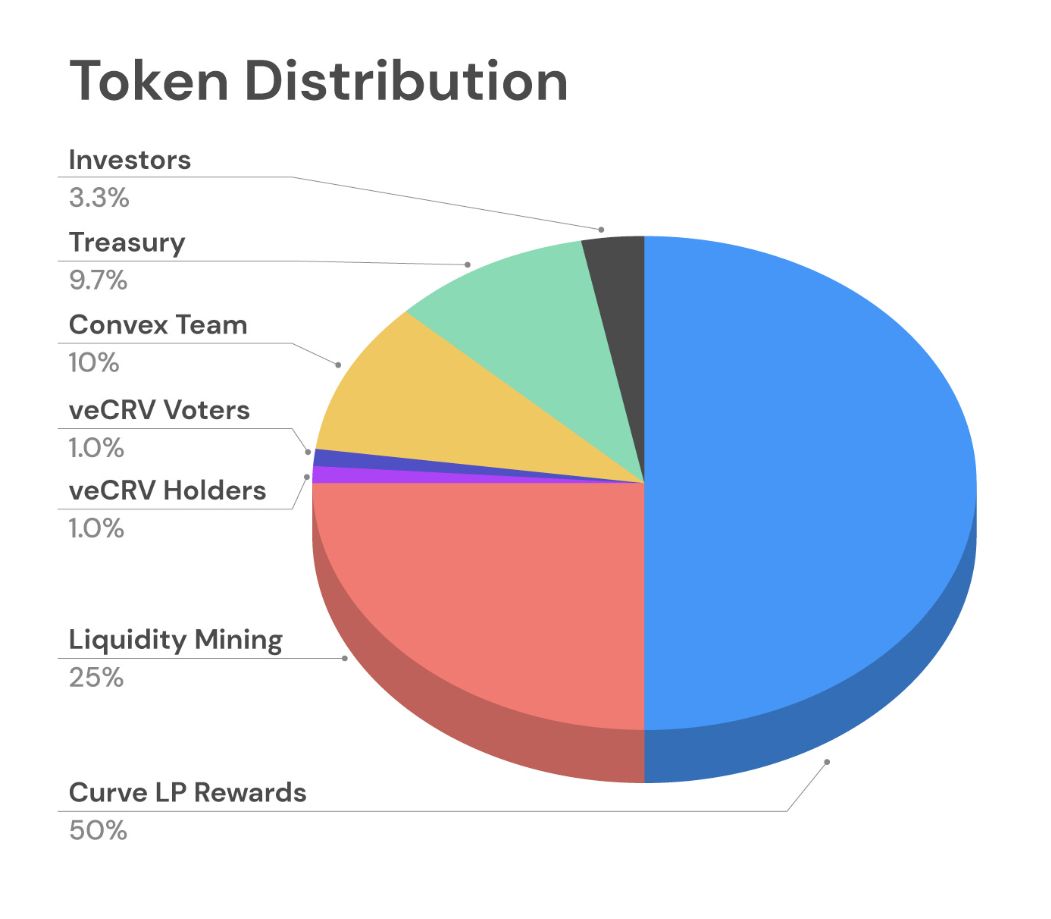
Distribution models include public sales, private funding rounds, team allocations, staking rewards, and ecosystem incentives. Poor distribution can lead to centralization and market manipulation.
Utility and Demand Creation
A token must serve a real purpose. Utility may include paying transaction fees, governance voting, staking, accessing services, or powering decentralized applications.
Strong utility creates natural demand. Without real use cases, tokens rely purely on speculation, making prices unstable.
Inflation, Deflation, and Token Burns
Some tokens increase supply over time through mining or staking rewards, creating inflation. Others reduce supply through burning mechanisms, creating deflation.
Controlled inflation supports network security and growth. Deflation may support price appreciation but can limit network participation if poorly designed.
Incentives and Network Participation
Tokenomics aligns incentives among developers, validators, users, and investors. Rewards encourage honest participation, network security, and ecosystem expansion.
If incentives are misaligned, networks may face instability, centralization, or declining adoption.
Governance and Voting Rights
Many tokens allow holders to vote on protocol upgrades, fee structures, and policy decisions. Governance tokens give communities control over the future direction of projects.
Liquidity and Market Behavior
Liquidity affects price stability and volatility. Low liquidity increases manipulation risk and slippage. Healthy liquidity supports sustainable growth and investor confidence.
Red Flags in Tokenomics
Investors should watch for:
Excessive team allocation
Unclear supply limits
Aggressive inflation
Weak utility
Locked token release cliffs
Poor transparency
Strong tokenomics emphasizes fairness, sustainability, and decentralization.
Why Tokenomics Matters for Investors
Tokenomics determines long-term value more than marketing or hype. Understanding economics helps investors avoid unsustainable projects and identify fundamentally strong opportunities.
Conclusion
Tokenomics defines the economic engine of cryptocurrency projects. A well-designed system balances incentives, controls supply, supports utility, and encourages adoption. Investors who understand tokenomics gain a significant analytical advantage in the crypto market.
In next article you will understand "What Is Liquidity in Crypto Markets?".
Stay tuned !!